Your First Infrared Sauna Session: How Long, How Often and What to Expect
New to infrared saunas? A friendly walkthrough of temperature, session length, hydration and the small habits that make the experience better.
- Start low and short, around 10–15 minutes, and build up as you feel comfortable.
- Hydrate before and after, and listen to your body rather than the clock.
- Cool down gradually, then rest. The after-session calm is half the point.
- Check with your doctor first if you have a health condition or take medication.
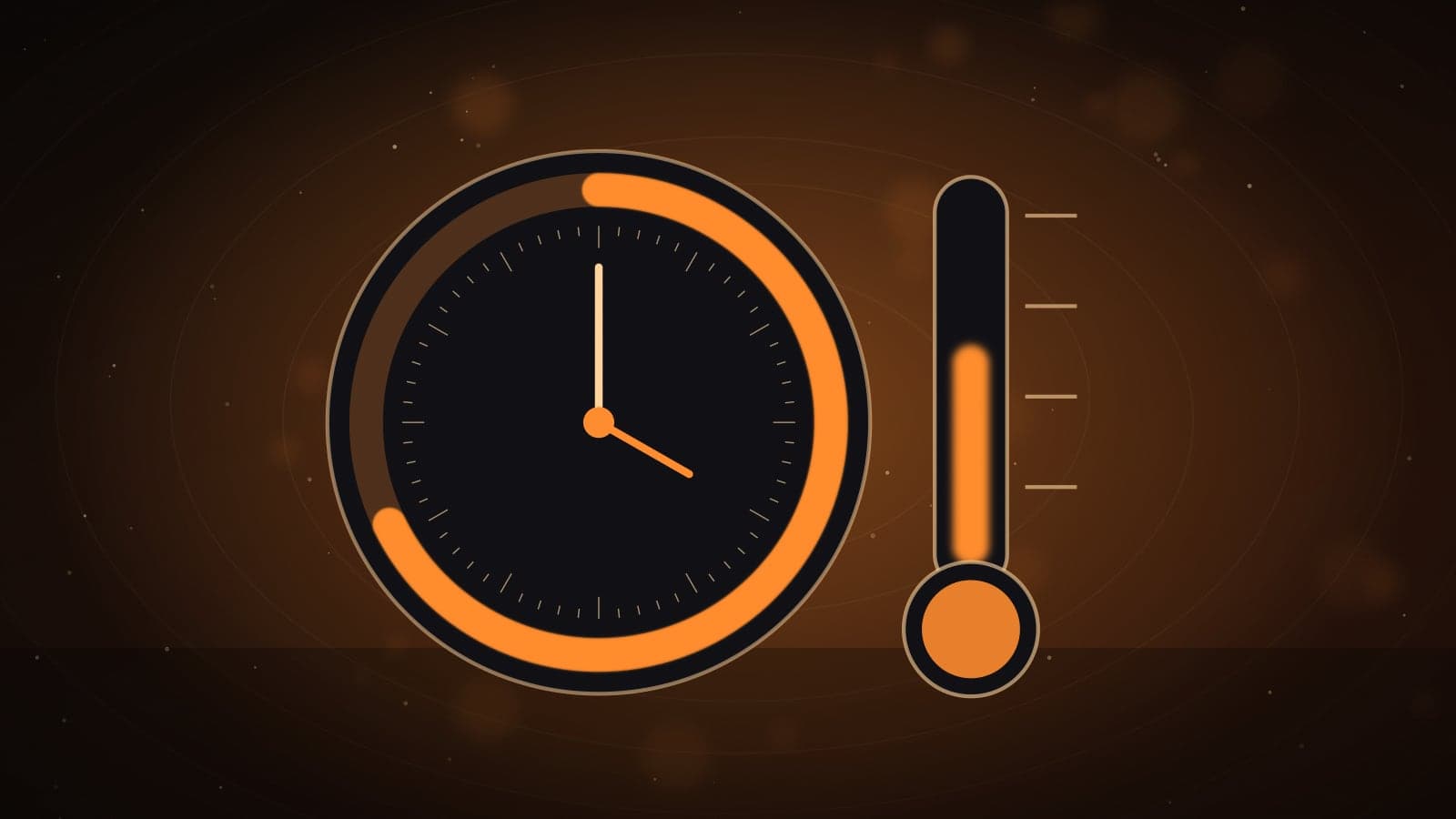
Illustration of a timer dial beside a thermometer for a sauna session
Before you step in
Drink a glass of water about half an hour before. Avoid a heavy meal right before, and skip alcohol. Remove jewellery that gets hot, and bring a towel to sit on.
If you have a heart or blood pressure condition, are pregnant, or take medication that affects how you handle heat, talk to your doctor first. This is general guidance, not medical advice.
Temperature and time
Because infrared heats you directly, the cabin air is lower than in a steam sauna. Many people are comfortable somewhere in the mid-40s to high-50s °C. If you are new, begin at the lower end.
For your first few sessions, aim for roughly 10 to 15 minutes. As you get used to it, you can extend to 20 to 30 minutes. Longer is not better. If you feel dizzy, uncomfortable or unwell, step out.
Use the timer on the control panel and set an alarm for the last two minutes. Many beginners lose track of time because infrared feels so gentle.
During the session
Sit comfortably and breathe slowly. Some people read, listen to music (our cabins have Bluetooth sound) or simply close their eyes. Try putting your phone down. It is one of the few places where you can be genuinely unreachable for twenty minutes.
Towel off sweat as you go, which helps you stay comfortable.
After: the part people skip
Cool down gradually. Sit for a few minutes, sip water and let your body temperature settle before getting dressed. Rehydrate well, especially if you sweated heavily.
Once you are comfortable with heat, some people add a short cold plunge afterwards, a routine we cover in our contrast therapy guide. Others use infrared on rest days alongside a full recovery routine.
A gentle four-week plan
If you like structure, try this. Adjust it to how you feel, and talk to your doctor first if you have any health concerns.
The point is a routine you want to keep, not a test of toughness.
Common beginner mistakes
Put a glass of water and a small towel just outside the door before you start. Everything you need afterwards should be within arm's reach.
How often?
Most home users settle into two to four sessions a week. Consistency beats intensity. Pick a rhythm you can keep up.
If you have not bought a cabin yet, our buying guide and our explanation of how infrared actually works will help you decide. You can also look at the Halo 2, a popular choice for couples who want to build a shared routine.
Frequently asked questions
How long should a beginner stay in an infrared sauna?
Roughly 10 to 15 minutes is a comfortable start for most people. You can build up gradually as you feel comfortable, and you should step out whenever you feel unwell.
How often can I use an infrared sauna?
Many home users settle on two to four sessions per week. Consistency matters more than frequency, and your doctor can advise you if you have any health conditions.
Should I shower before or after an infrared sauna?
Many people shower before to start clean and rinse afterwards once they have cooled down. Wait until your body temperature settles before a very cold shower.
Should I wear anything in the sauna?
Wear whatever is comfortable, such as a swimsuit or a towel, and sit on a towel for hygiene. In shared or commercial settings, follow the venue's rules.
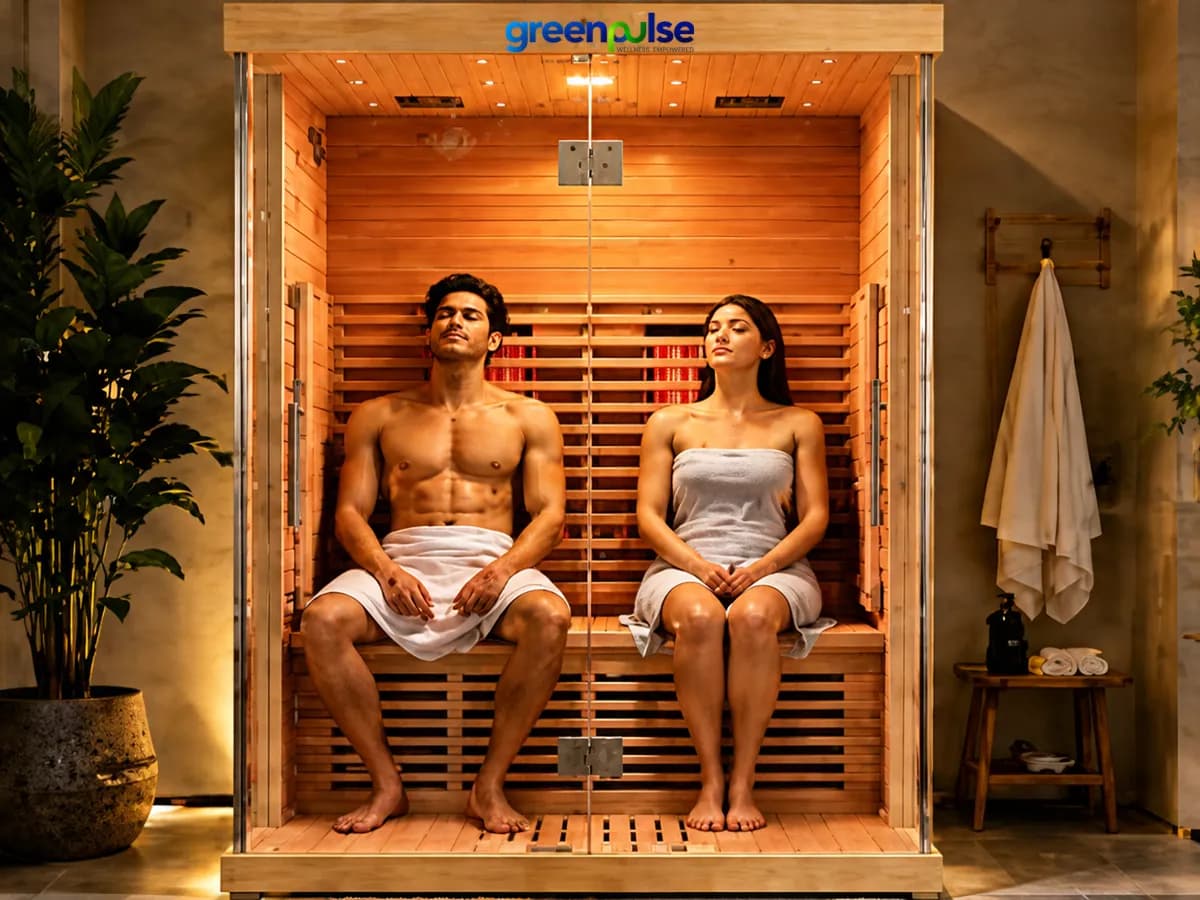
Halo 2 Infrared Sauna (2 Person, Full Spectrum)
Two-person cabin with Bluetooth sound and chromotherapy lighting for a shared routine.
Planning a recovery suite or commercial wellness facility?
GreenPulse provides space layout planning, product selection, electrical planning, installation and team training for your space.
Related Perspectives
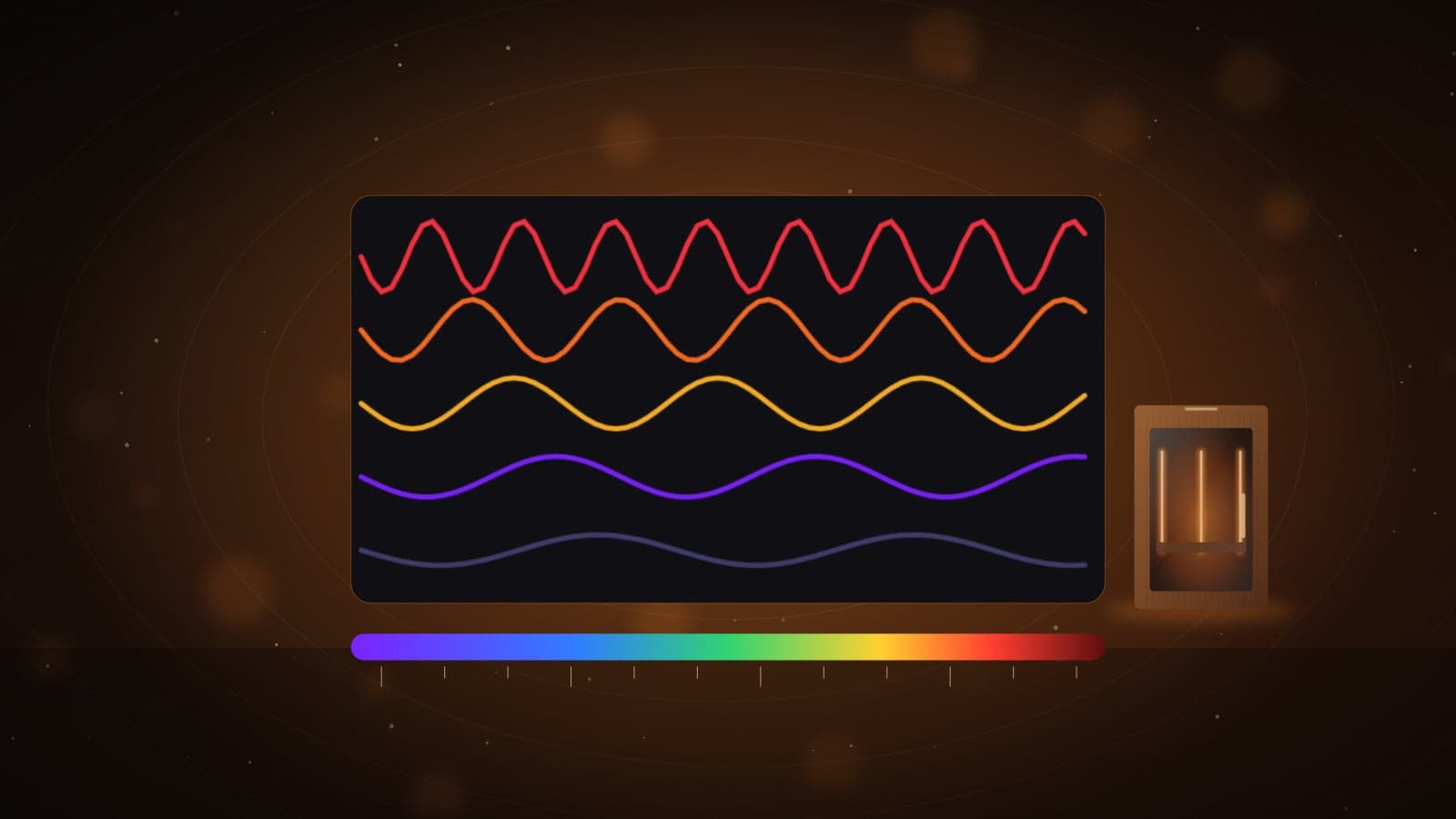
How Infrared Saunas Actually Work: Near, Mid and Far Infrared Explained
No jargon, promise. Here is how infrared heat differs from a steam sauna, what near, mid and far infrared mean, and why the air in the cabin stays much cooler than you would expect.
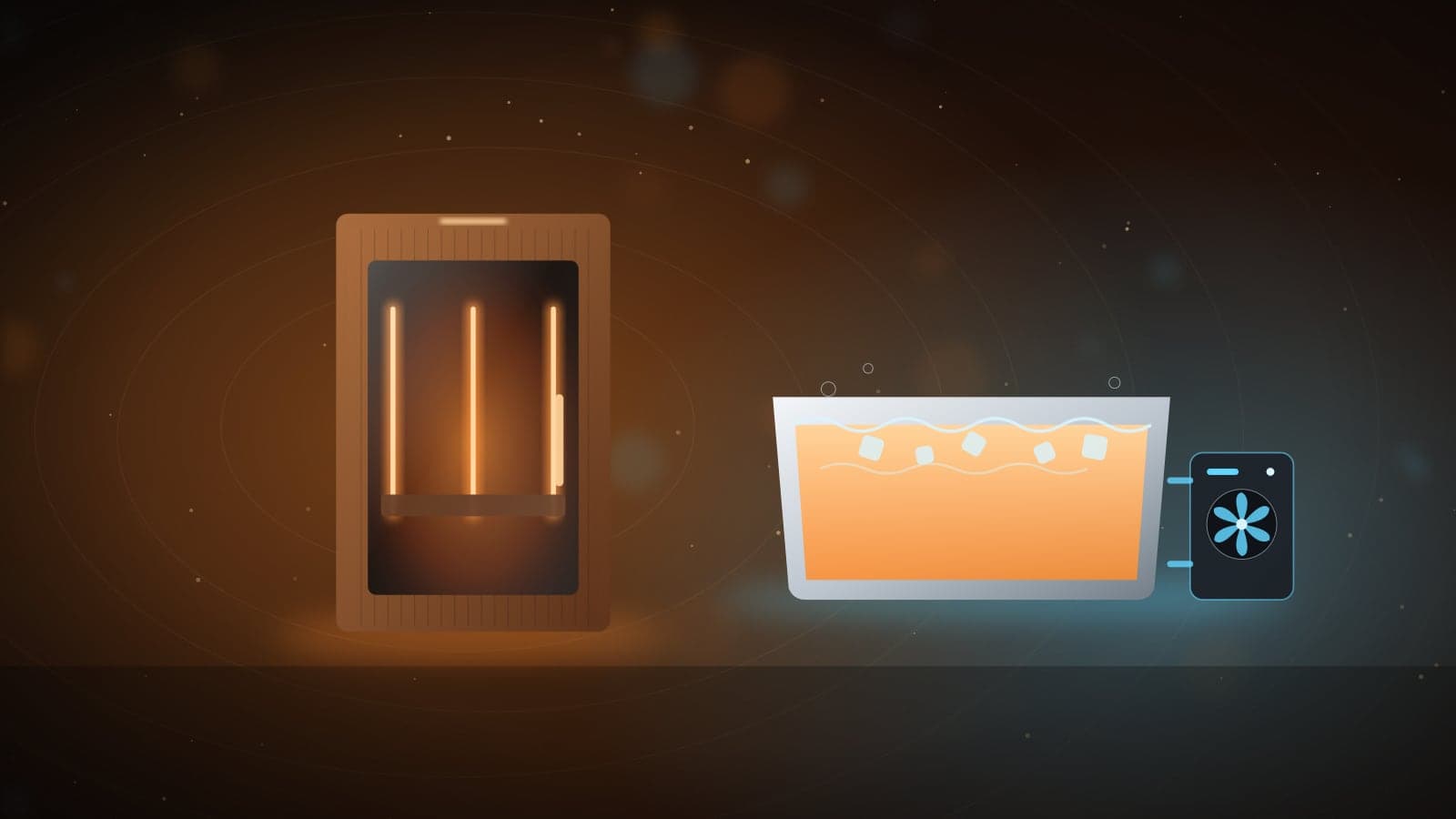
Contrast Therapy: How to Pair an Infrared Sauna with a Cold Plunge
Heat, then cold, then rest. Here is how to build a simple contrast routine at home or in a studio, with timings, order and the common mistakes to avoid.

The Post-Workout Recovery Stack: What to Use, in What Order
Heat, cold, light, compression, massage. How to string recovery tools into a simple routine you will actually follow, at home or in a studio.