Gym Recovery Zone: Membership Pricing That Pays for the Equipment
Add-on, tier, pay-per-session or included? How gyms and studios can price a recovery zone so members love it and the numbers work.
- There are four common models: included, tiered, add-on pack and pay-per-session.
- Match the model to your members. Premium studios can charge for access; budget gyms may include basic recovery.
- Always model utilisation honestly. An idle device earns nothing.
- Start small, measure bookings and expand the zone as demand grows.

Illustration of a rising bar and line chart with a coin marker
Why gyms are adding recovery
Members train hard, then wonder what to do about the soreness. A recovery zone gives them an answer inside your four walls, and it gives you something competitors down the road may not have. It also lets your trainers talk about recovery as part of the programme.
Four pricing models
Many gyms combine two, such as a premium tier plus pay-per-session for non-members.
Do the maths (with your own numbers)
Here is the method, using illustration-only figures. If 15% of 400 members take a ₹2,000 monthly recovery tier, that is ₹1,20,000 a month. Subtract the extra power, cleaning, staff time and maintenance, and divide your equipment investment by what is left to see a rough payback period. Change the percentage, price and costs to match your gym.
Starter kits keep the investment modest: a few pairs of PulseWave 4 boots cost little, a Halo 2 sauna anchors the zone, and a red light stand adds a premium extra. See our combos for Revive Athlete Performance Hub and others.
Track bookings, no-shows and peak hours from day one. If sessions are full at 6 pm and empty at noon, introduce off-peak pricing before buying more equipment.
A worked example (illustration only)
Imagine a studio with 250 members that launches a recovery add-on with three pairs of boots, a two-person sauna and a red light stand. Suppose 40 members take a ₹1,500 monthly add-on, which gives ₹60,000 a month. Add pay-per-session visitors, say 30 sessions a month at ₹500, for another ₹15,000.
Now subtract the real costs: extra power, cleaning, staff time, consumables, maintenance and a share of rent. What is left, divided into the equipment cost, is your payback period. If the number looks long, you can raise the price, add off-peak slots, bundle it with personal training or start with fewer devices.
These figures are illustrative only. Your members, prices and costs will be different, so build your own sheet. Our recovery lounge guide has a template mindset you can borrow.
Weaving recovery into the training programme
Recovery sells best when coaches talk about it. Build it into onboarding, programming and class endings. A post-class cool-down in the compression area, a Friday contrast session or a monthly recovery workshop all help members see it as part of training.
Train your coaches to explain what each device is, who should check with a doctor first and how to use it. This builds trust and keeps usage safe. Our post-workout recovery stack gives you a simple script to share.
Keeping the zone busy
Book sessions by appointment so members know it will be available. Have coaches introduce new members to the zone, and build a post-class ritual such as the post-workout recovery stack. A contrast corner with heat and cold makes a great social feature.
If you want to go bigger, read how to start a recovery lounge.
Frequently asked questions
Should a gym include recovery in the membership?
It depends on your members. Premium studios often charge for recovery, while budget gyms may include a basic offering. Test with a small group before deciding.
How many pairs of compression boots does a gym need?
Start with a few pairs and add as demand grows. Track peak-hour usage to decide.
What recovery equipment gives the best return for a gym?
Low-footprint, high-throughput tools such as compression boots and massage guns are the easiest to fill. A sauna or contrast corner can become your signature feature.
How do I stop recovery equipment being overused?
Use a booking system, session time limits and clear etiquette, and consider peak and off-peak pricing.
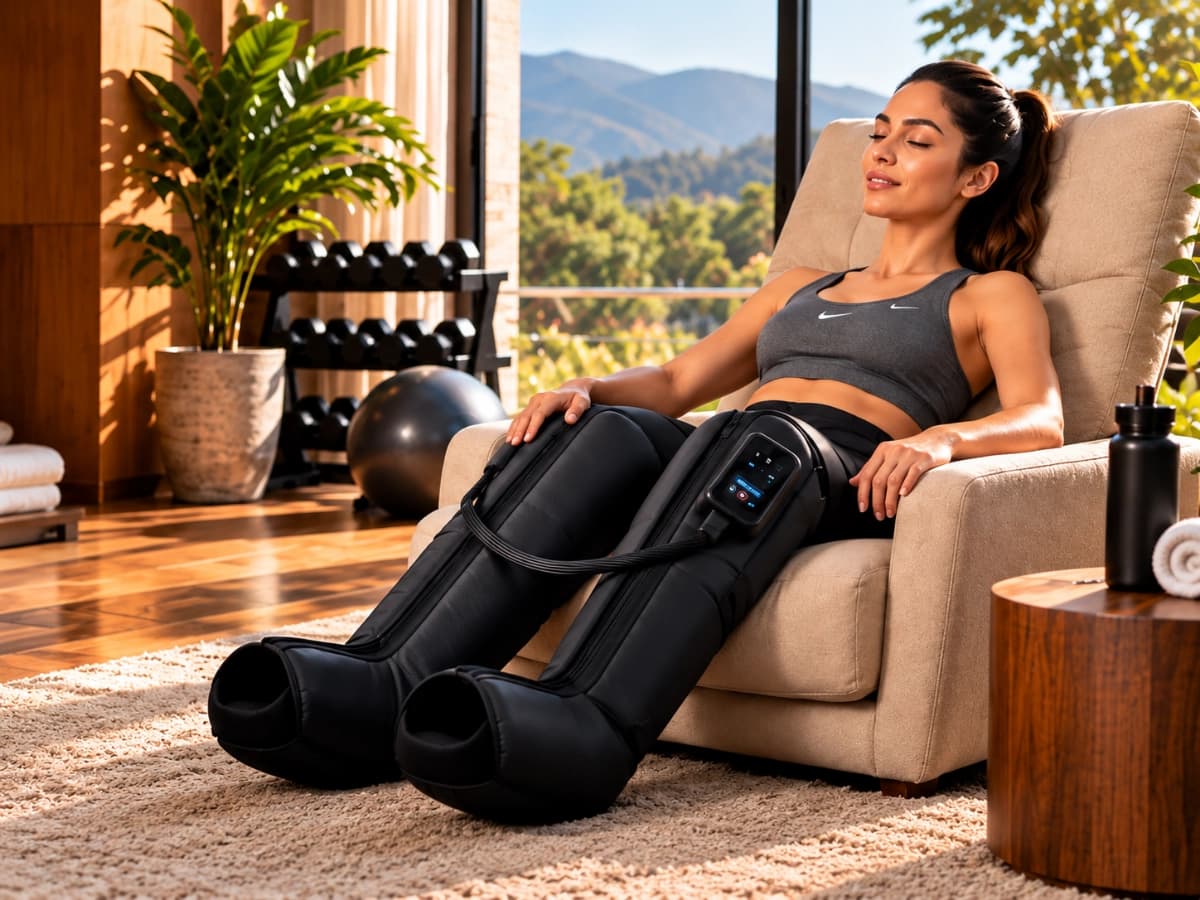
PulseWave 4 Air Compression Boots (4-Chamber, Wireless, App Control)
Affordable four-chamber boots that suit many pairs on a floor.
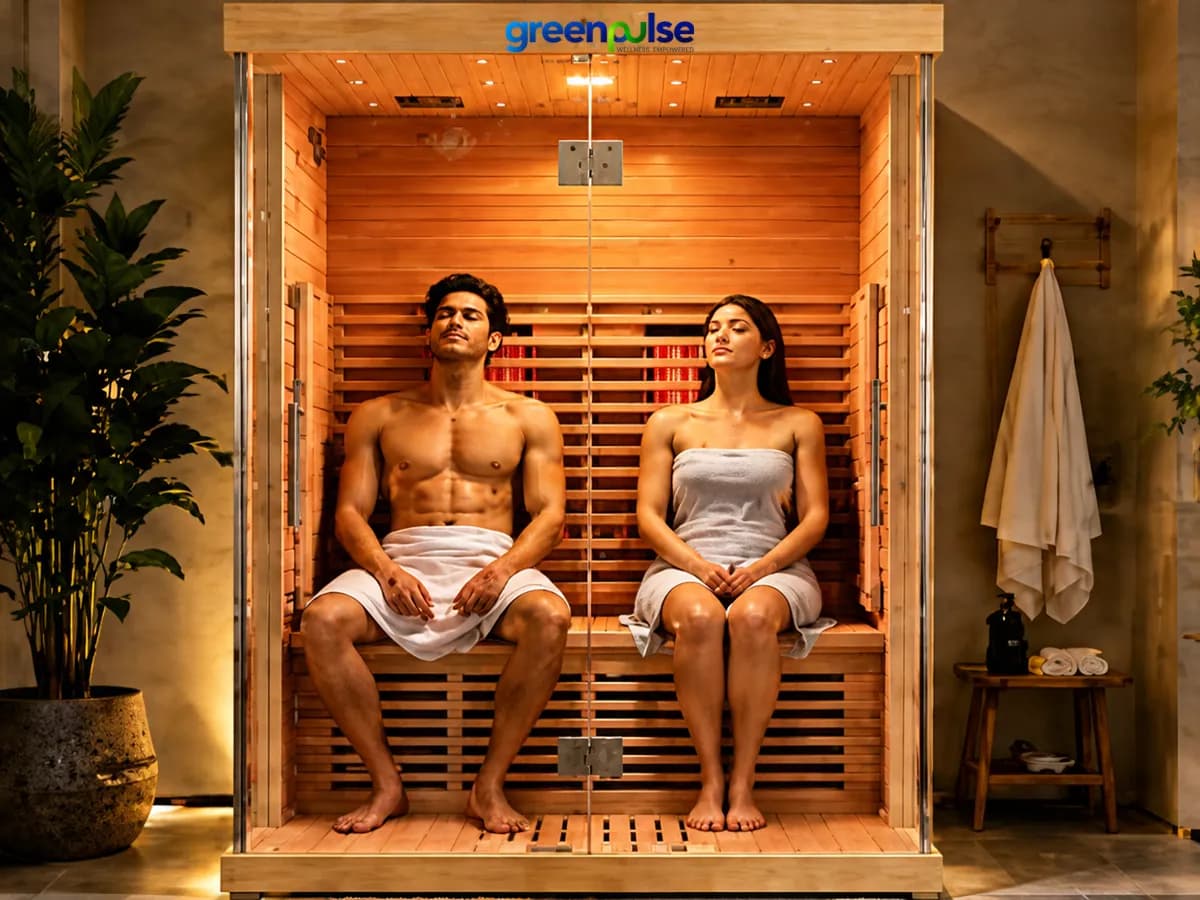
Halo 2 Infrared Sauna (2 Person, Full Spectrum)
Anchor sauna for a gym recovery zone.
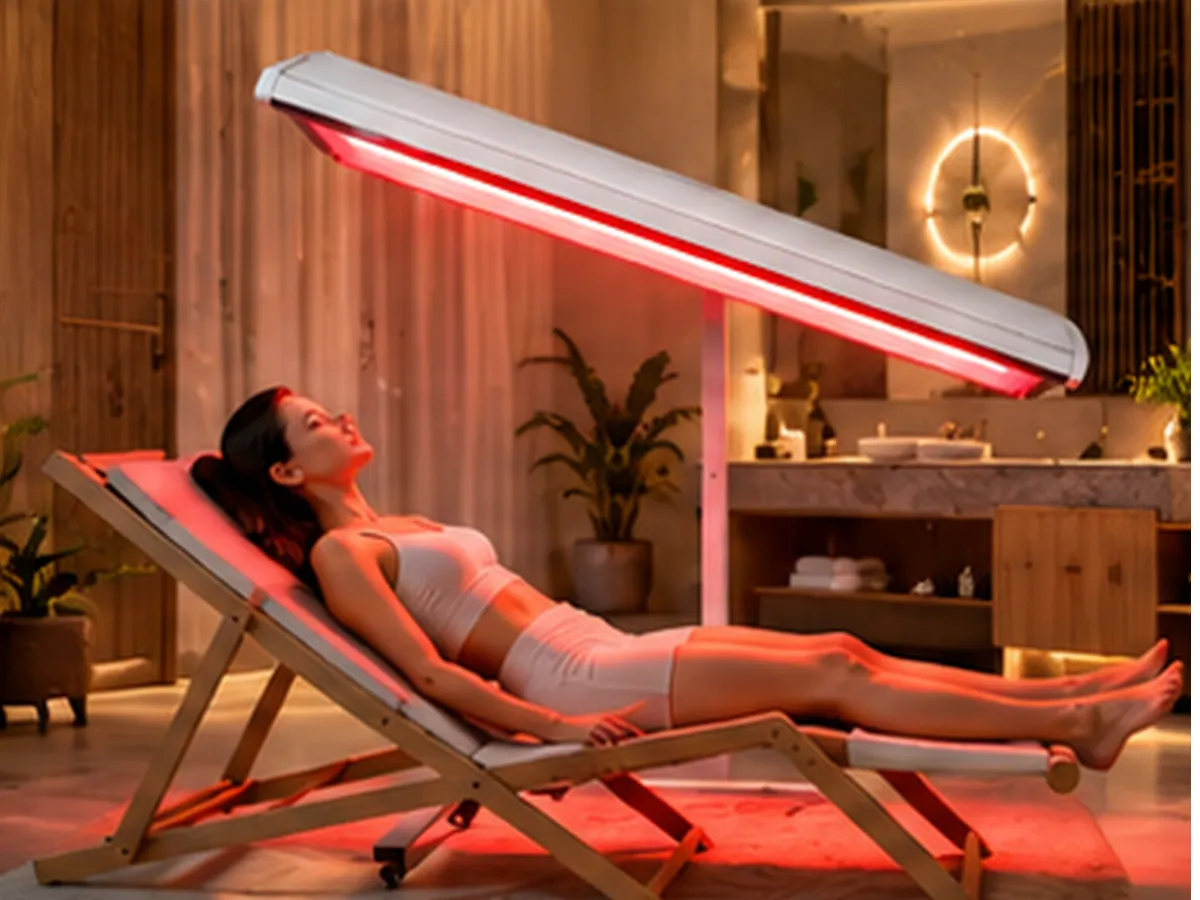
Luma Stand Full Body LED Light Therapy Stand
Full-body red light stand as a premium add-on.
Planning a recovery suite or commercial wellness facility?
GreenPulse provides space layout planning, product selection, electrical planning, installation and team training for your space.
Related Perspectives

How to Start a Recovery Lounge: Equipment, Layout and Pricing
A practical blueprint for opening a recovery lounge or adding one to your gym, spa or clinic: choosing equipment, planning the floor, pricing sessions and keeping it busy.

4, 6 or 8 Chambers? Choosing Compression Boots Without the Guesswork
More chambers is not automatically better. Here is what chamber count, pressure and format really change, and which PulseWave model fits which buyer.

Contrast Therapy: How to Pair an Infrared Sauna with a Cold Plunge
Heat, then cold, then rest. Here is how to build a simple contrast routine at home or in a studio, with timings, order and the common mistakes to avoid.