4, 6 or 8 Chambers? Choosing Compression Boots Without the Guesswork
More chambers is not automatically better. Here is what chamber count, pressure and format really change, and which PulseWave model fits which buyer.
- Chambers set how finely the squeeze can travel up the leg; more chambers means a smoother wave.
- Four chambers is a great, portable value choice; six and eight add finer sequencing and often stronger pumps.
- Pressure range and control style (app, hand controller, on-boot) matter as much as the number.
- Commercial users should weigh durability, hygiene and how many pairs they need at once.

Illustration of three leg columns showing four, six and eight compression chambers
What a chamber actually does
Each chamber is an inflatable section along the leg. The pump fills them in turn, so a leg with four chambers gets four steps in the wave, and a leg with eight gets eight. More steps means a smoother, more massage-like sweep. If you want the basics first, read our compression boots guide.
Four chambers: light, portable, great value
Four-chamber boots are the everyday workhorse. The PulseWave 4 is wireless with app control and 30–240 mmHg. The PulseWave 4 Plus adds direct-docking pump modules and a colour LCD, and the PulseWave 4 Direct uses a hand controller with physical buttons and no app.
They suit home users, travellers and any studio that wants affordable pairs in bulk.
Five and six chambers: the middle ground
The PulseWave Go and PulseWave 5 both have five overlapping chambers, wireless or portable design and preset modes. Step up to the PulseWave Pro 6: six chambers, an LED touch screen, app control, a quiet brushless pump and pressure up to 260 mmHg, which is a favourite for clinics and serious athletes.
Eight chambers: the premium feel
The PulseWave Pro 8 is an eight-chamber professional system with a high-flow pump, touch screen, app control and zone selection. The PulseWave Max is a rechargeable eight-chamber set with six programmes, eleven intensity levels and a 15–60 minute timer.
These give the smoothest, most luxurious wave, and they photograph well in a spa or lounge.
If you buy for a business, think in 'pairs per hour'. Six or eight chambers with a strong pump may cost more per set, but members notice the difference and it can justify a premium service price.
Three myths about chamber count
'More chambers always means more effective.' Not necessarily. It means a finer sequence. Comfort, fit and pressure range matter just as much.
'Wireless is weaker.' Wireless boots like the PulseWave Go use compact pumps. They are fine for most users, but a wired, high-flow system offers a stronger pump and a wider pressure range.
'Higher pressure is better.' No. Many people prefer a gentler setting. Use the range that feels pleasant, and start low if you are new. Our complete guide covers safety.
Features that matter as much as chamber count
Buying for a business
Think about throughput. A studio with six pairs can run six people at once, and a hand controller or auto-timer reduces staff time per session. Consider spare covers, cleaning wipes and storage. Boots in a rack look good and keep the room tidy.
Match chamber count to the service level you sell. Premium suites like the ones in recovery suites for hotels and resorts benefit from eight-chamber systems, while a gym zone may value volume (see gym recovery zone pricing). Clinics lean towards the app-controlled six-chamber Pro 6, as in equipping a clinic.
Start with a few pairs, track how often they are booked and add more once you see real demand.
A quick pick
Using them in a business? Read gym recovery zone pricing and how to start a recovery lounge. And if you are putting together a whole routine, jump to our post-workout recovery stack.
Frequently asked questions
Do more chambers mean better compression?
More chambers give a smoother, more finely sequenced wave, but a well-made four- or five-chamber boot is plenty for most home users. Choose based on comfort, features and budget.
What is the difference between wireless and wired compression boots?
Wireless boots have the pump on the boot and are easy to move around in. Wired systems use a separate pump and hoses, often with higher pressure ranges.
Which PulseWave is best for runners?
Many runners like the wireless PulseWave Go or PulseWave 4 for convenience. Serious athletes may prefer the six-chamber Pro 6 for its wider pressure range and app control.
Can I use compression boots on my arms?
Our boots are designed for legs. Check each product's page for details before using any device on another body part.
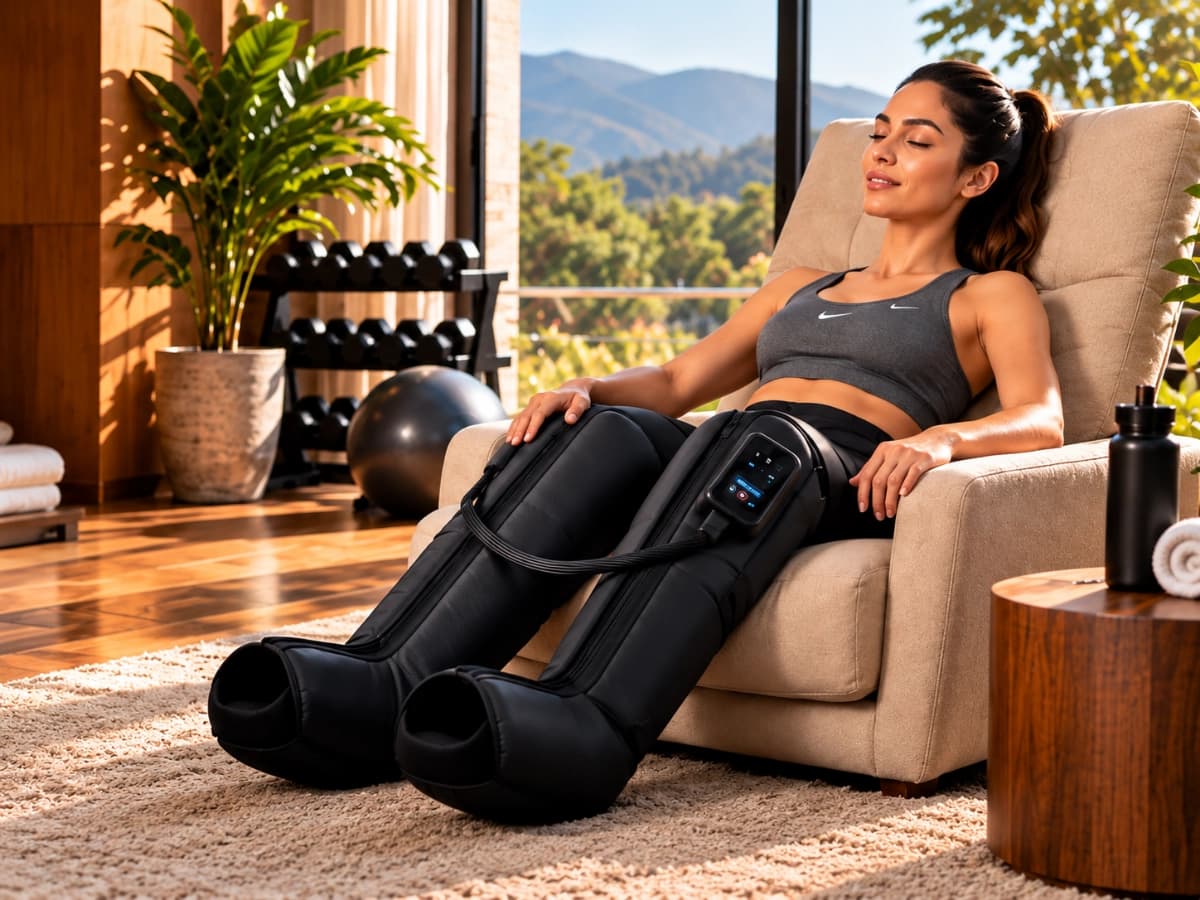
PulseWave 4 Air Compression Boots (4-Chamber, Wireless, App Control)
Four-chamber wireless boots with app control.
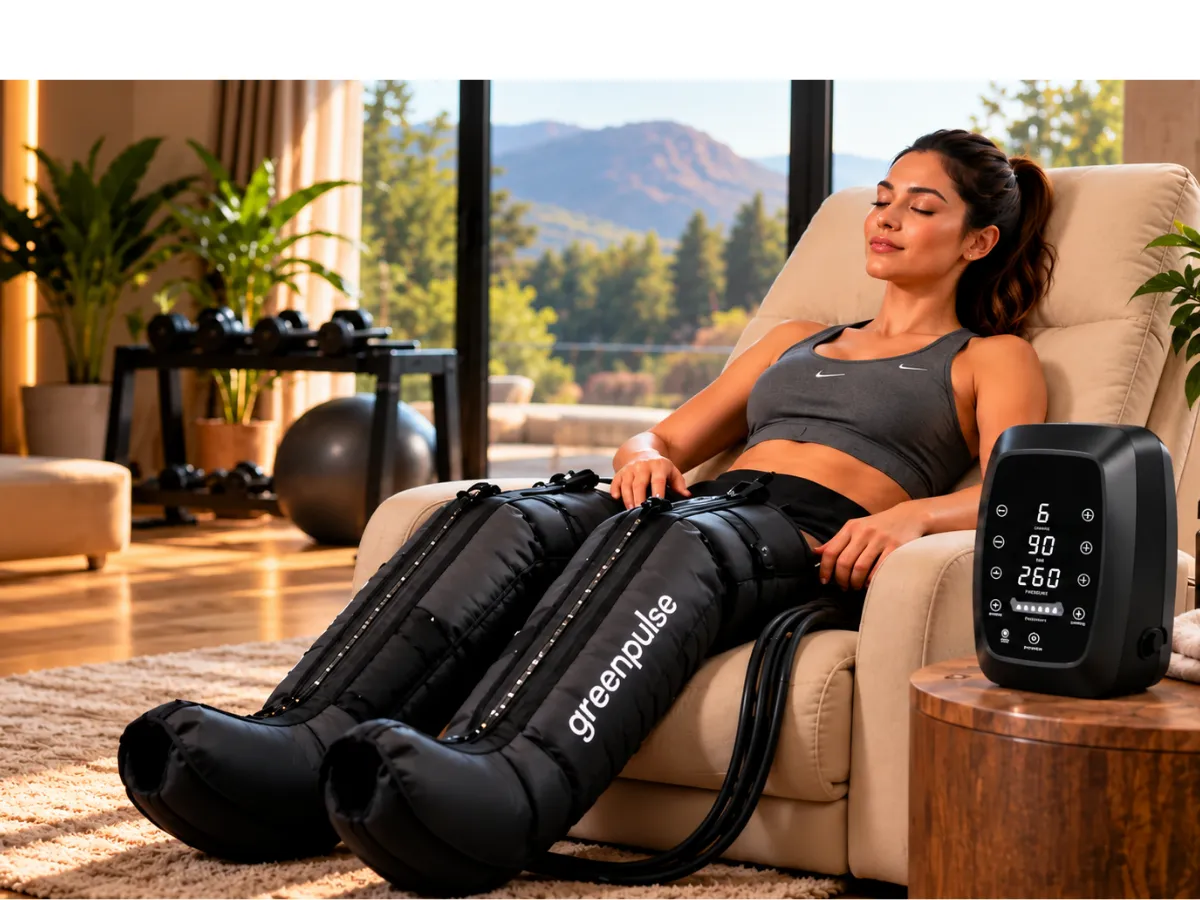
PulseWave Pro 6 Air Compression Recovery System (6-Chamber)
Six chambers, LED touch screen and up to 260 mmHg.
Planning a recovery suite or commercial wellness facility?
GreenPulse provides space layout planning, product selection, electrical planning, installation and team training for your space.
Related Perspectives

Air Compression Boots: What They Do and Who Should Use Them
Compression boots are one of the most popular recovery tools for runners, lifters and desk workers alike. Here is how they work, what to look for and which model suits which person.

The Post-Workout Recovery Stack: What to Use, in What Order
Heat, cold, light, compression, massage. How to string recovery tools into a simple routine you will actually follow, at home or in a studio.

Gym Recovery Zone: Membership Pricing That Pays for the Equipment
Add-on, tier, pay-per-session or included? How gyms and studios can price a recovery zone so members love it and the numbers work.