Equipping a Physio or Chiropractic Clinic with Recovery Technology
Which recovery devices genuinely earn their place in a treatment room, and how to choose between compression, light, massage and cold tools for a busy clinic.
- Buy for your caseload and your room, not for the longest spec list.
- Small, quick-to-deploy tools often outperform big ones in a busy clinic.
- Check what regulation or insurance covers for each device, and follow practitioner guidance.
- Think about hygiene, staff training and service support before you buy.
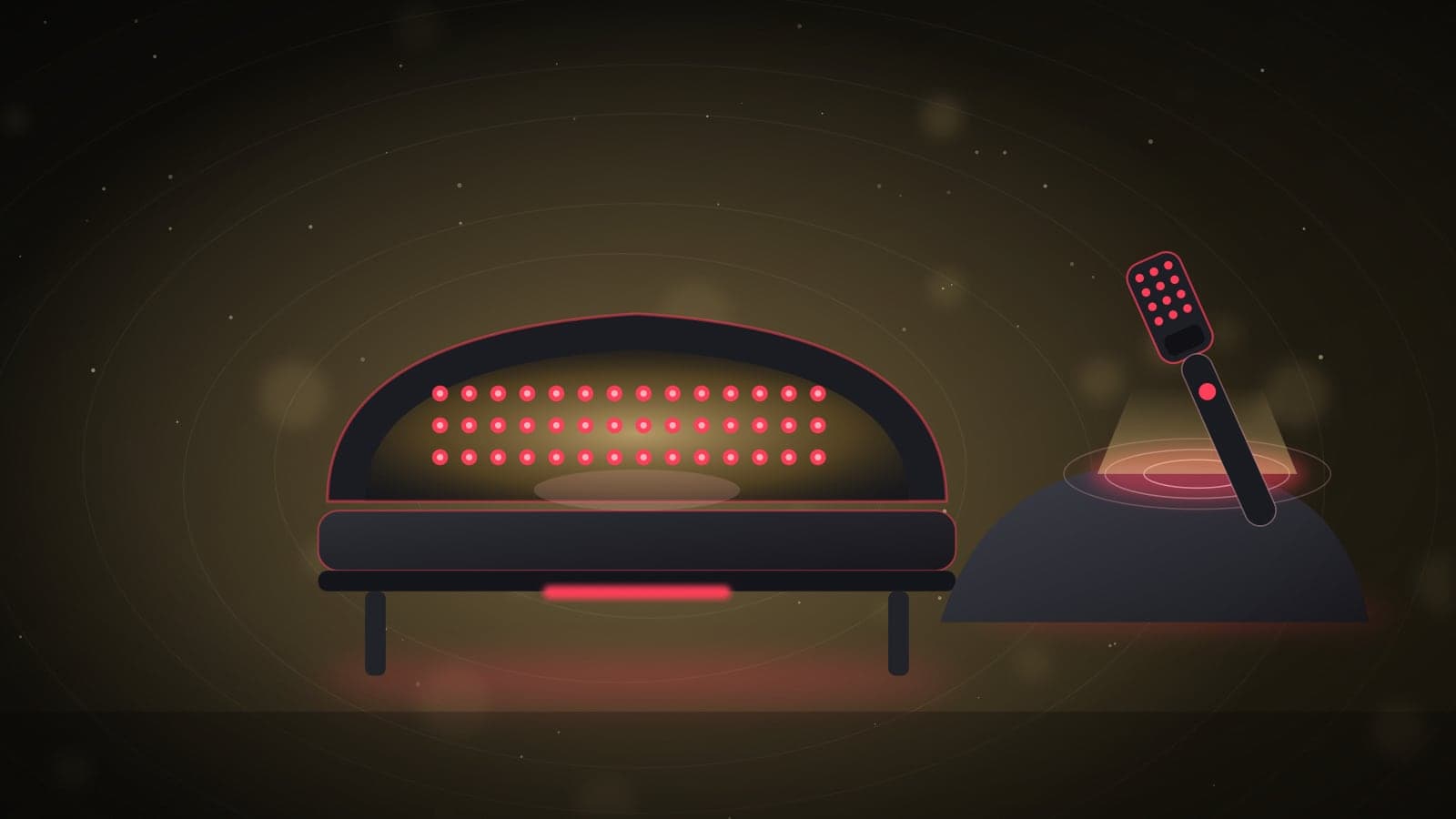
Illustration of a treatment bed with a red light panel and a handheld device
Start with the caseload
A sports clinic, a chiropractic practice and a post-op rehab centre all need different things. List your top five types of client and the time you have per session. The equipment that supports those sessions, quickly and reliably, is what earns its place.
A sensible core kit
Ask suppliers about cleaning protocols for every part that touches skin, and buy spare covers or attachments up front.
Regulation, insurance and honest claims
Devices that use lasers, TENS or ultrasound may fall under medical-device rules in your region, and clinic insurance may have requirements. Check before you buy. Keep your patient-facing language honest. We sell these as wellness and recovery equipment, and we expect clinics to apply professional judgement.
Talking to patients about wellness devices
Patients ask 'will this help me?' and the honest answer is that it depends. Say what the device does (applies compression, light, vibration or heat), what the session feels like and how long it lasts. Avoid promising outcomes, and never position a wellness device as a replacement for the treatment plan you have agreed.
Document consent and any contraindications you screened for. It protects the patient, the practitioner and the clinic, and it shows you take safety seriously. Patients notice when a clinic is careful, and they trust it more.
Laying out a treatment room that works
Most clinic rooms are small, so every device has to earn its footprint. Keep the table or chair as the centre, wall-mount or park wheeled devices like the Luma Tower in a corner and keep a clear path for the practitioner. Plan power outlets at table height so cables do not cross the floor.
Storage matters. A small cabinet for handhelds, gun heads, covers and wipes keeps the space calm and hygienic. Label each shelf. If compression boots are used regularly, a wall rack stops the hoses from tangling.
Finally, think about the patient's experience. Soft lighting, a warm welcome and a clear explanation of what each device does, and does not do, build trust faster than a big machine in the corner.
What not to buy (yet)
Equipment that does not fit your caseload becomes expensive furniture. Skip anything you cannot explain to a patient in two sentences, anything you cannot clean in two minutes and anything nobody on the team is willing to learn.
Regulated devices need extra care. If you are thinking of adding a hyperbaric chamber, read the hyperbaric chamber guide first, because regulation, training and room requirements are significant.
A phased rollout
Phase 1: a massage gun, a panel and a set of compression boots. Phase 2: a stand or additional boots as demand grows. Phase 3: specialist devices once the team is confident. At each step, measure how often each device is used and what patients say.
Understanding light is useful for your team, so share red vs near-infrared wavelengths and the red light guide internally. And if you are expanding into wellness packages, how to start a recovery lounge describes how clinics add a lounge-style service.
Put a laminated one-page guide beside each device: what it is, how long to use it, who to avoid and how to clean it.
Room, flow and training
Plan power sockets, storage and a simple cleaning routine. Train all staff on each device so no one is the single expert. Browse our Rehabilitate solutions for clinic-ready kits, and read buying, installation and support to understand support. If your clinic also offers a lounge-style service, see how to start a recovery lounge.
Frequently asked questions
What recovery equipment should a physio clinic start with?
A massage gun, a red light panel or stand and compression boots are common starting points, because they are quick to use and easy to clean.
Do clinic devices need regulatory approval?
Some devices, especially those using lasers, TENS or ultrasound, may fall under medical-device regulations in your region. Check with your regulator and insurer before purchasing.
How do I train clinic staff on new devices?
Ask your supplier for onsite or online training, write short guides for each device and have each team member practise before using it with patients.
Can a clinic offer wellness services as well?
Yes, many do. Keep clinical and wellness offerings clearly separated and describe each honestly.
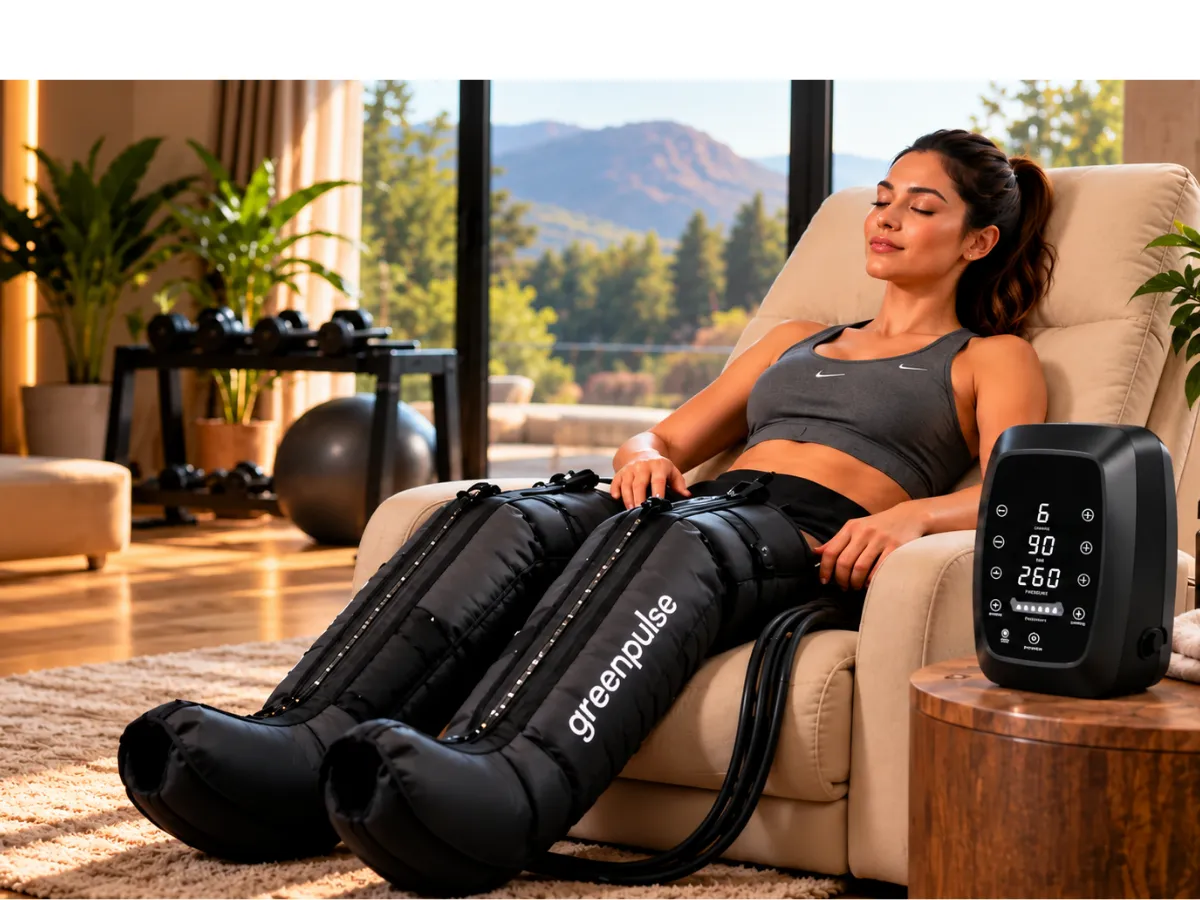
PulseWave Pro 6 Air Compression Recovery System (6-Chamber)
Six chambers, touch screen and app control for clinic use.
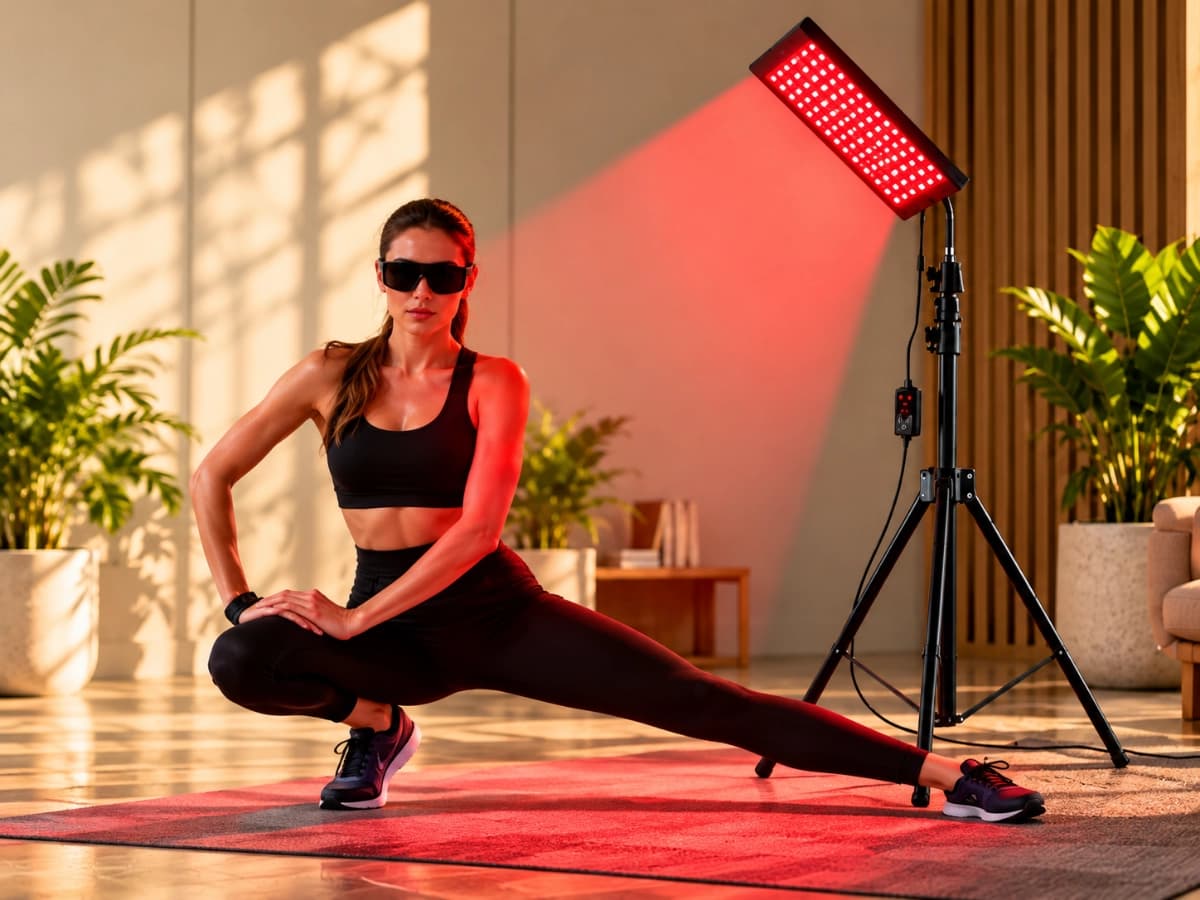
Luma Panel Height-Adjustable Red Light Therapy Panel
Height-adjustable panel with separate red and infrared control.
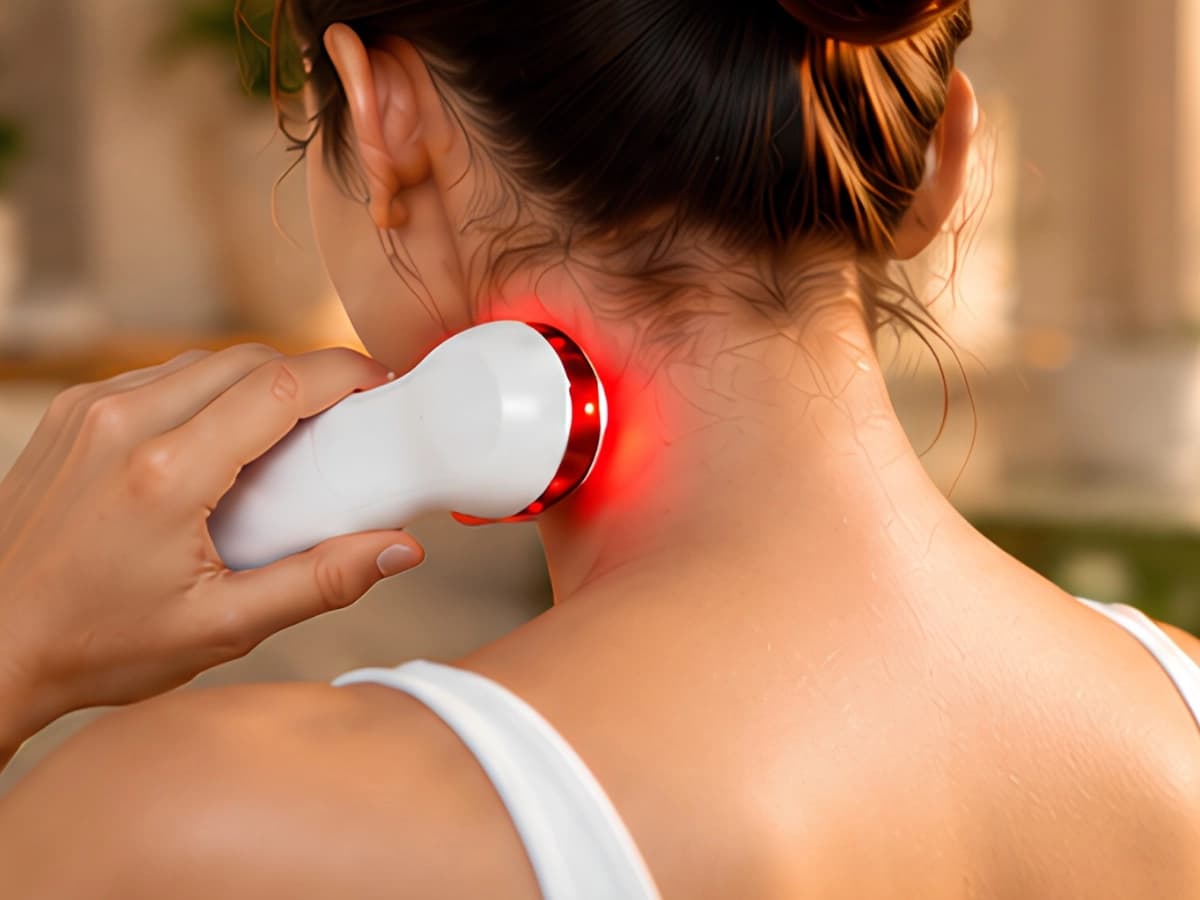
Luma Beam Quad 4-in-1 Handheld Laser, TENS & Ultrasound Device
4-in-1 handheld: TENS, red laser, infrared laser and ultrasound.
Planning a recovery suite or commercial wellness facility?
GreenPulse provides space layout planning, product selection, electrical planning, installation and team training for your space.
Related Perspectives
Handheld Red Light and Laser Devices: Where They Fit
Wands, 4-in-1 devices and scalp caps put light where you want it. Here is how they differ from panels and masks, and how to use them safely.
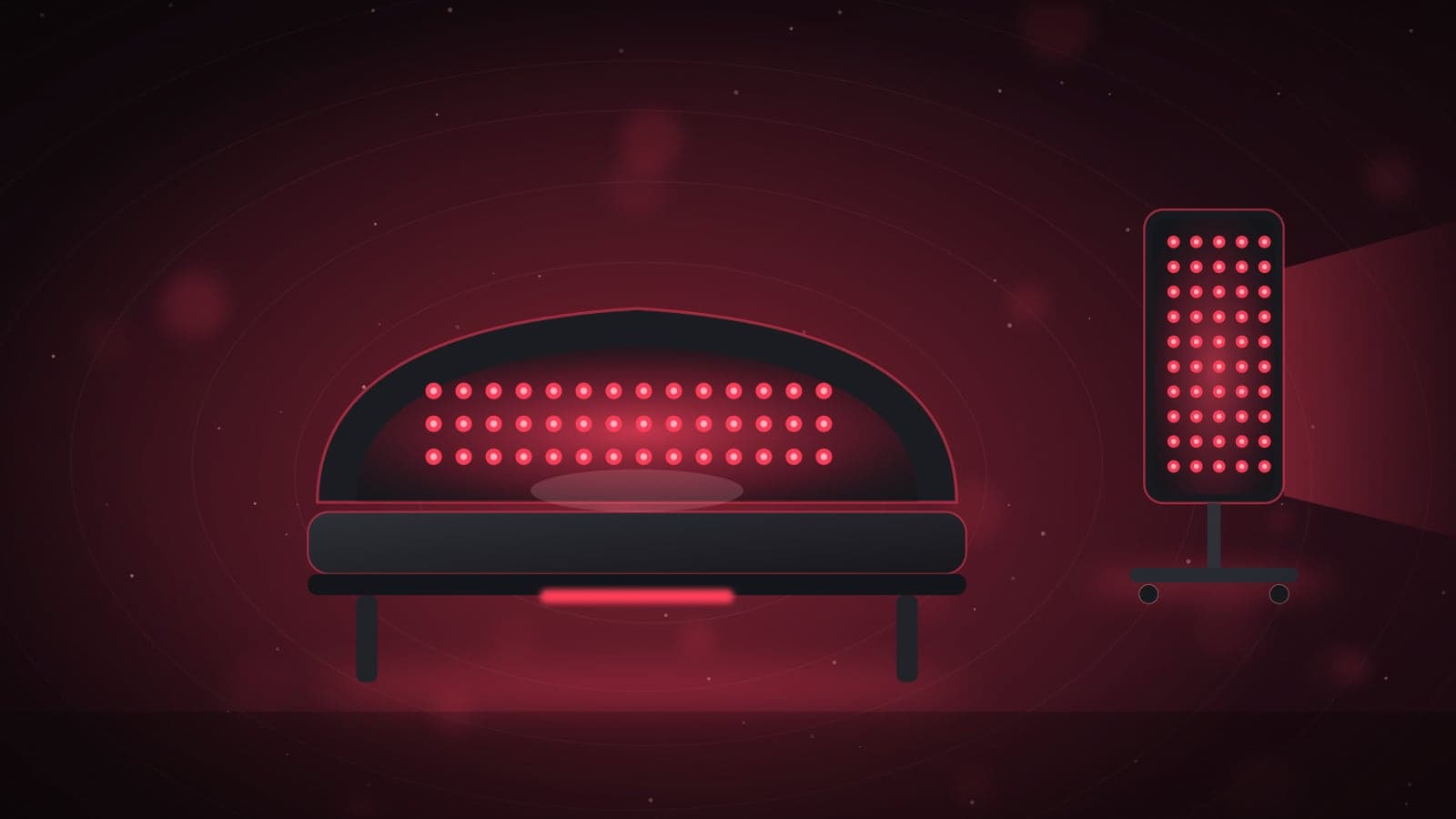
Red Light Bed vs Panel vs Stand: Choosing the Right Format
Full-body beds, tall stands and wall or floor panels all deliver red and near-infrared light, but they suit very different spaces and budgets. Here is how to decide.

Buying Wellness Equipment: Installation, Warranty and Support
What to ask before buying wellness equipment for a business: total cost, installation, training, spare parts and who picks up the phone when something needs attention.