How to Start a Recovery Lounge: Equipment, Layout and Pricing
A practical blueprint for opening a recovery lounge or adding one to your gym, spa or clinic: choosing equipment, planning the floor, pricing sessions and keeping it busy.
- Start with a clear customer: athletes, busy professionals, hotel guests or older adults each want something different.
- A lean first menu of heat, cold and compression is easier to run than a huge one.
- Plan the floor around flow, hygiene and power before you order anything.
- Price by experience (single, pack, membership), and keep your numbers honest.

Illustration of a recovery lounge floor plan beside a rising revenue chart
Who is it for?
The most common mistake we see is buying equipment before choosing a customer. A recovery lounge for weekend athletes looks different from one for hotel guests or for people over sixty. Different buyers want different tools, different opening hours and different language on the menu.
Write one sentence describing your ideal first customer, and test every decision against it.
Planning the floor
Think in flow: reception, change area, wet zone, dry zone, rest. Keep sauna and plunge close, put compression and chairs in a calmer corner, and make sure staff can see the whole floor. Plan power for every device, drainage for the plunge and ventilation for the sauna. Our sauna planning guide helps with the first, and cold plunge maintenance with the second.
Hygiene should be designed in, not added later. That means wipeable surfaces, towel handling, laundry, and a cleaning schedule you can actually follow.
Sketch the customer journey as a line on the floor plan. If the line crosses itself or doubles back, the layout will feel cramped when it is busy.
Pricing the experience
Most lounges sell three ways: a single session, a pack of sessions and a membership. Keep the maths simple. Here is an illustration only, to show the method. Replace every number with your own.
Example: if a suite session sells for ₹1,500 and you can realistically fill 3 slots a day for 26 days a month, that is about ₹1,17,000 in monthly revenue before costs. Subtract rent, staff, power, consumables, maintenance and marketing to see what is left. Then compare it with your equipment investment to estimate a payback period.
For membership structures at gyms, read gym recovery zone pricing. For luxury venues, see recovery suites for hotels and resorts.
Staffing and day-to-day operations
A recovery lounge runs on routine. You need someone to greet, explain, set up equipment, clean between guests and handle bookings. For many small venues that is one or two people, trained on each device and confident about screening clients politely.
Write simple standard operating procedures: opening checks, cleaning schedules, what to do if a guest feels unwell, how to log sessions. Keep them short and visible. Train for the unglamorous things first, such as towels, laundry and keeping the floor dry around the plunge.
Choose a booking system that shows availability by device and room. Sessions that run late ruin the next booking, so build in buffer time.
Appoint one 'equipment champion' who checks every device at opening and closing. Small faults caught early rarely become expensive.
Premium and specialist add-ons
Once the basics run smoothly, consider adding a premium service. A cryosauna suits venues with a trained team, as discussed in cryotherapy vs ice bath. A hyperbaric chamber is a regulated, staff-intensive service. Read the hyperbaric chamber guide and single vs double vs portable before considering one.
For a hospitality setting, borrow ideas from hotel and resort recovery suites. For community and care settings, see senior living wellness lounges, and for practitioners adding a lounge-style service to a treatment room, see equipping a physio or chiropractic clinic.
Choose compression to match your service level, as explained in 4 vs 6 vs 8 chambers.
Marketing without hype
The strongest marketing is a clear, honest promise: a calm hour, a reset after training, a place to unwind. Avoid medical claims, avoid 'miracle' language and let the experience speak. Good photography, honest descriptions and a clear first-visit offer do more than big claims.
Partner with local gyms, physios, corporate wellness managers and hotels, and invite them for a trial. Collect testimonials from real members and ask permission before sharing them.
Launching and keeping it busy
Open with a small founding-member group, collect honest feedback and tune the menu. Invite local gyms, physios and corporates for trial sessions. Photograph the space well, because a calm, beautiful room sells itself.
Before you order, read about buying, installation and support so there are no surprises on delivery day. You can also browse the Recover & Restore solution and the full equipment catalogue.
Frequently asked questions
How much space do I need for a recovery lounge?
A starter lounge can fit in a few rooms. A sauna cabin, a plunge, a compression area and a small reception can work in a modest floor area. Our floor-planning advice and combos can help you size it.
What equipment should a recovery lounge start with?
A lean start of infrared sauna, cold plunge and compression boots covers heat, cold and recovery. Add red light or a massage chair as premium extras.
How do I price recovery sessions?
Most venues offer single sessions, packs and memberships. Calculate your costs and realistic bookings, then set prices that cover them and fit your market.
Do I need a licence for a recovery lounge?
Requirements vary by location and by which services you offer. Check local business, health and safety and electrical rules, and take extra care with regulated equipment such as hyperbaric chambers.
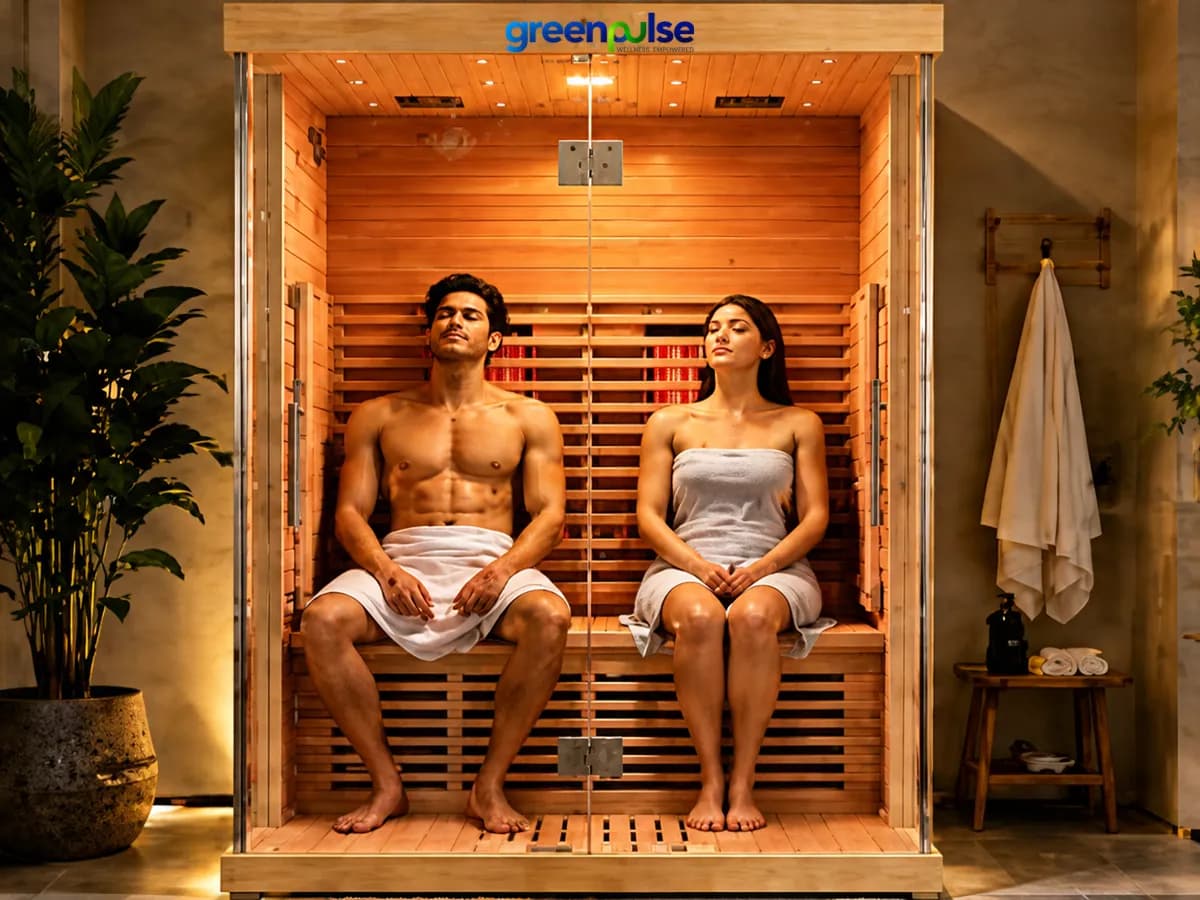
Halo 2 Infrared Sauna (2 Person, Full Spectrum)
The anchor of most starter lounges: a two-person infrared cabin.
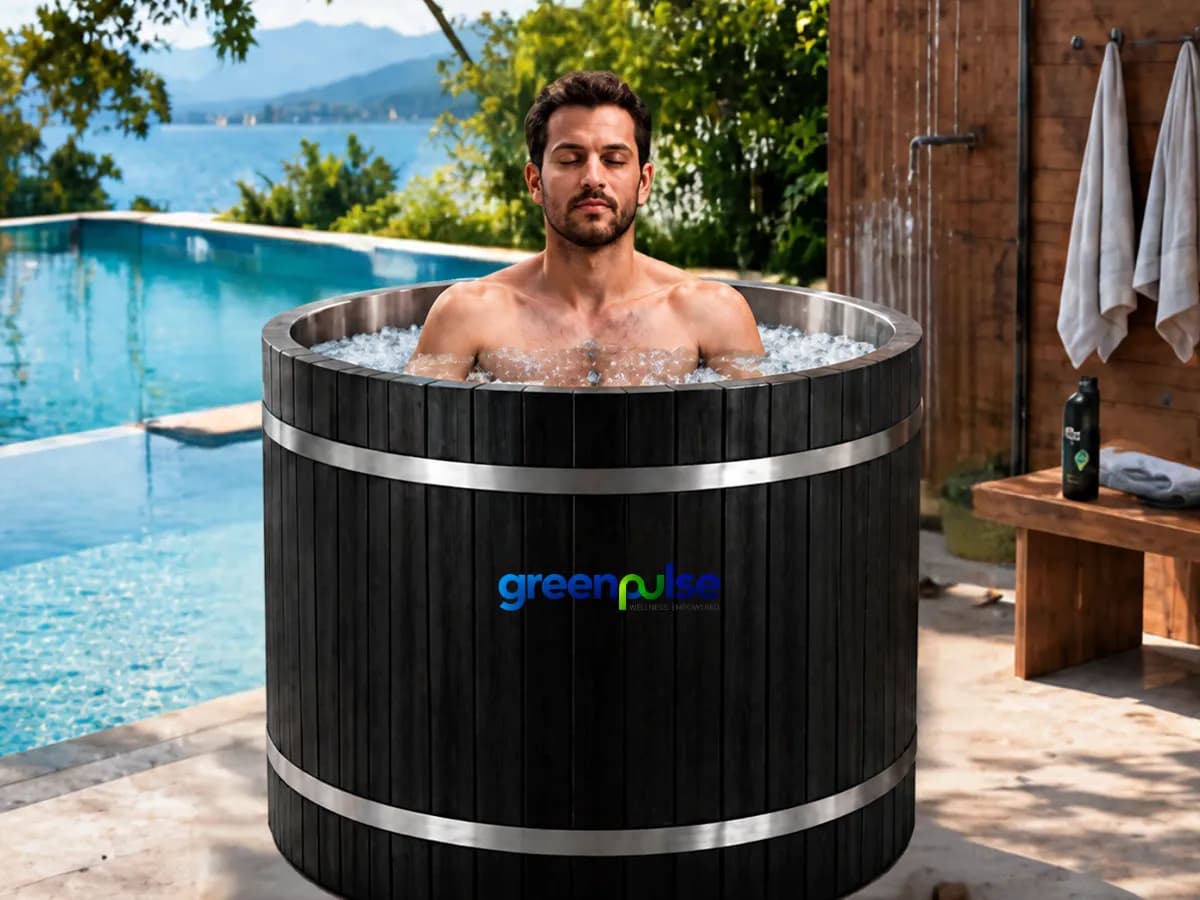
Arctic Ring Cold Plunge (Round, Single Person)
Compact cold plunge that pairs with a sauna.
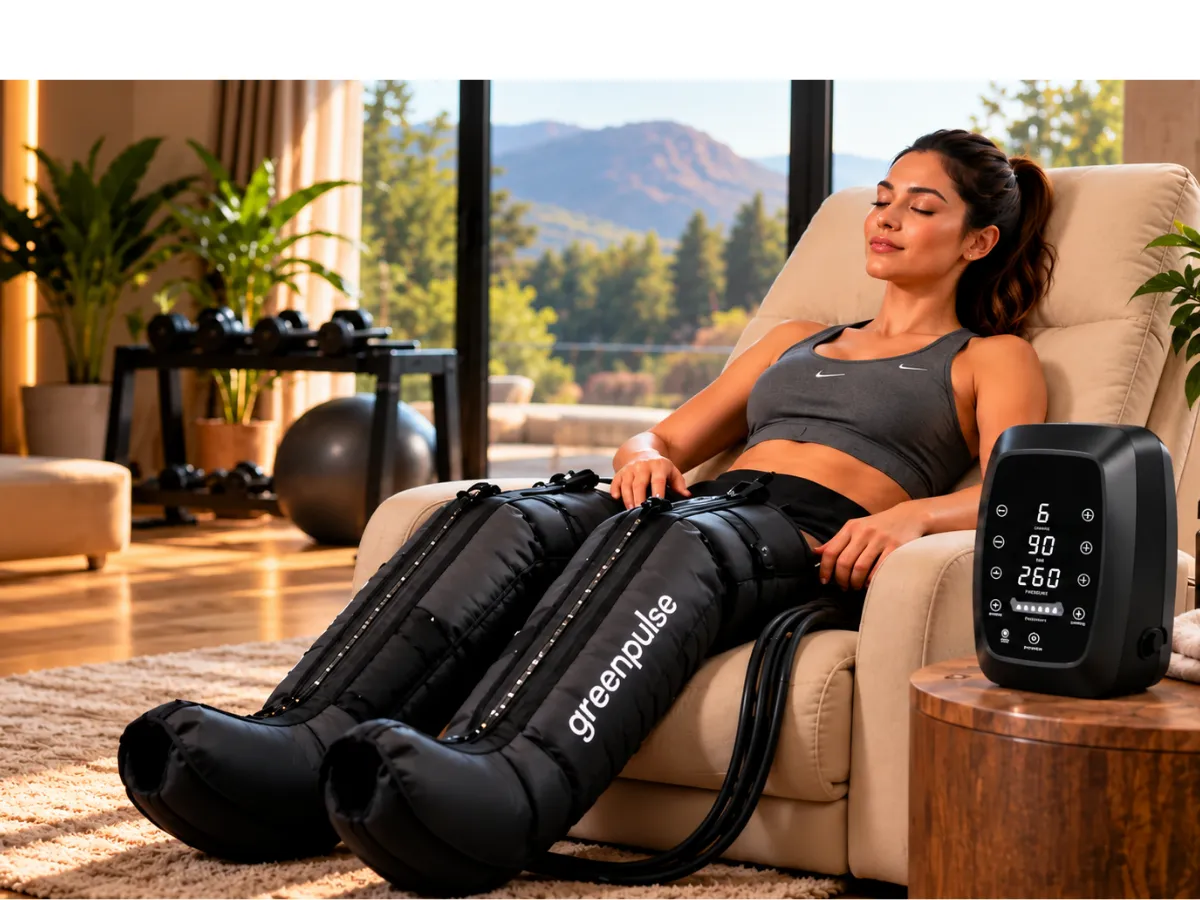
PulseWave Pro 6 Air Compression Recovery System (6-Chamber)
Professional compression for fast, repeatable sessions.
Planning a recovery suite or commercial wellness facility?
GreenPulse provides space layout planning, product selection, electrical planning, installation and team training for your space.
Related Perspectives

Gym Recovery Zone: Membership Pricing That Pays for the Equipment
Add-on, tier, pay-per-session or included? How gyms and studios can price a recovery zone so members love it and the numbers work.
Recovery Suites for Hotels and Resorts: Designing a Spa Menu That Sells
Guests want more than a gym and a pool. How hotels and resorts can add a recovery suite with the right equipment, privacy and storytelling.

Buying Wellness Equipment: Installation, Warranty and Support
What to ask before buying wellness equipment for a business: total cost, installation, training, spare parts and who picks up the phone when something needs attention.