Cryotherapy vs Ice Bath: What's the Difference and Which Suits You?
A whole-body cryosauna and a cold plunge both use cold, but they feel and work very differently. Here is how they compare on experience, space, running costs and who they suit.
- An ice bath is water at roughly 3–15 °C; a cryosauna uses very cold, dry air in short sessions of a few minutes.
- Cryosaunas need liquid nitrogen, so supply logistics are part of the plan. Cold plunges mainly need power and water care.
- A plunge is more social and easier to run; a cryosauna is compact and high-impact for premium venues.
- Many venues offer both so members can choose.
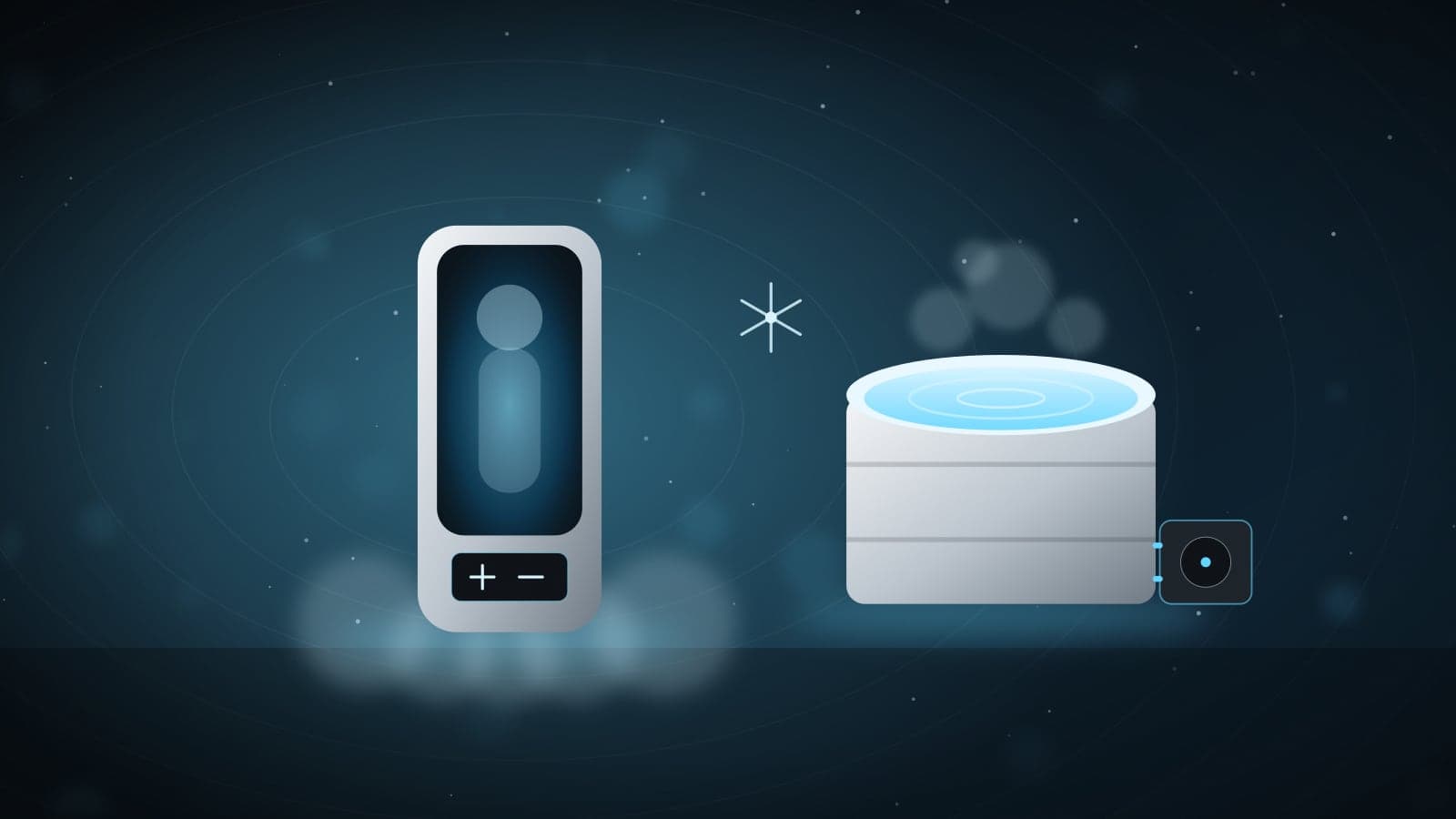
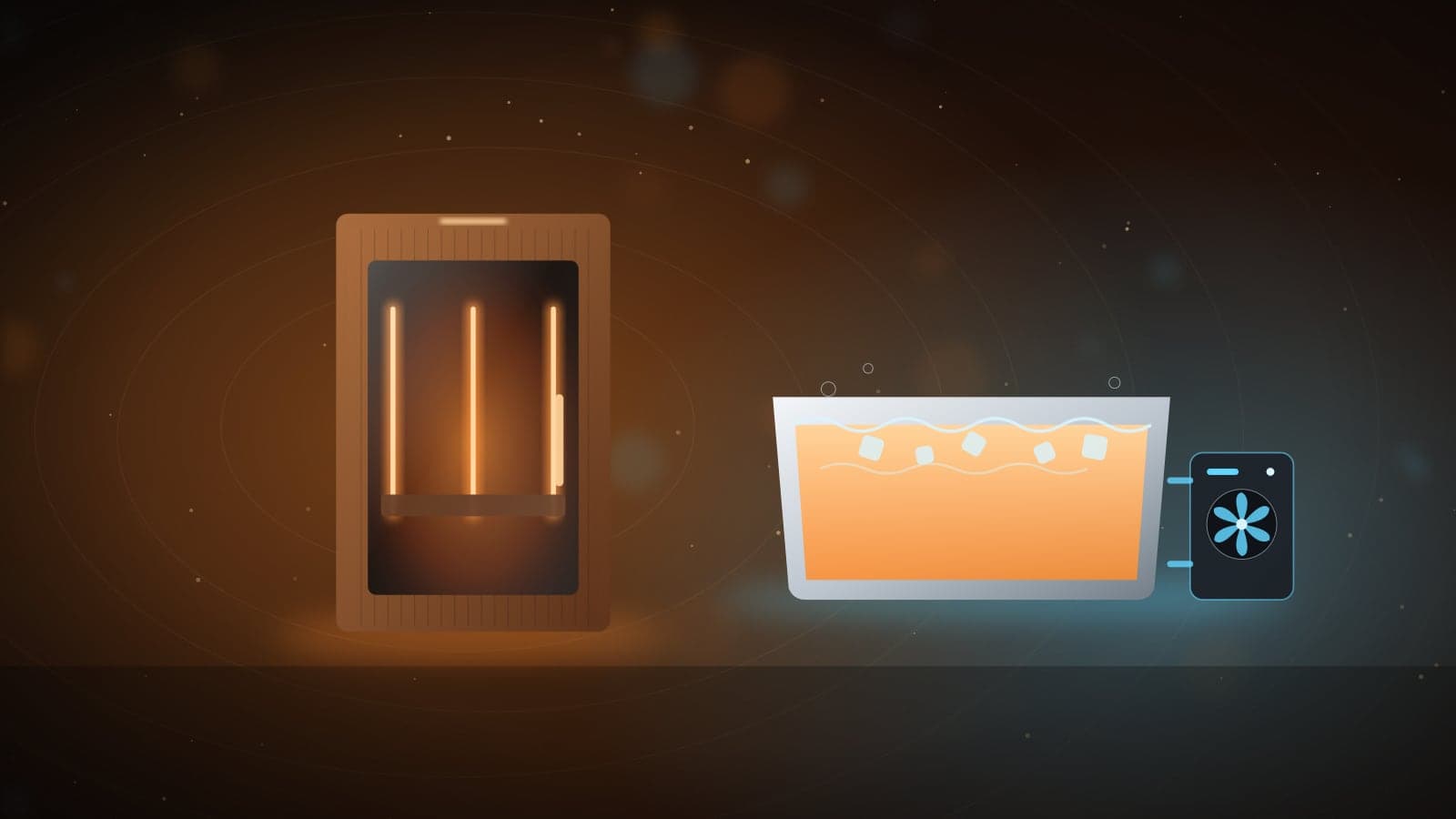
Illustration of a standing cryotherapy chamber next to a round ice bath
Two very different kinds of cold
An ice bath surrounds you with cold water. A cryosauna surrounds you with extremely cold, dry air. Both are cold exposure, but the feel, the length of a session and the equipment behind them are quite different.
Our Arctic Ring cools water to as low as 3 °C. The Arctic Zero cryosauna operates between −110 and −180 °C, with short automated sessions (around three minutes in the catalogue example).
The experience
A plunge is a slow, deliberate, breathe-through-it ritual. Cold water is intense on the skin and you feel it immediately, but you control how long you stay and many people enjoy the meditative edge to it.
A cryosauna session is short and dry. You stand in a cabin with your head out and a collar and protective gear for hands and feet, while the cabin cools around you. It is over in minutes, which is why venues like it for quick, high-turnover appointments.
Space, running costs and logistics
The Arctic Zero has a footprint of about 1 m² and needs no assembly, which suits small treatment rooms. But a cryosauna runs on liquid nitrogen, supplied from a tank or Dewar. Pre-cooling and each session use a measurable amount, so you need a reliable supplier, safe storage and trained staff.
A cold plunge needs a power supply, floor strength and good water care instead. Our guide to water care and chiller maintenance shows what that routine looks like. There is no consumable gas to order.
Before choosing a cryosauna, get a quote for your local liquid nitrogen supply and ask about delivery frequency. It is the biggest running-cost variable.
Safety and supervision
Both are intense experiences and both need respect. With a cryosauna, staff must be trained to operate the machine, handle liquid nitrogen and protect clients' skin, hands, feet and airways as the supplied guidance directs. The Arctic Zero includes overflow and level sensors, an open-door sensor, a pressure release valve and an emergency stop.
With a plunge, the main safety points are entry and exit, supervision for new users and sensible time limits. Our cold plunge guide covers drain safety and layout, and water care covers hygiene.
Screen every client in both cases. Cold is not appropriate for everyone, and anyone with a heart or circulation condition, or who is pregnant, should speak to a doctor first.
The business case for each
A cryosauna is a compact, high-ticket, short-appointment service. A plunge is a lower-complexity, social, membership-friendly service. Which fits depends on your clientele, staffing and supply chain.
A small boutique studio will often start with a plunge and add a cryosauna later. A premium longevity centre may open with both. Whichever you choose, the recovery lounge guide shows how to price and schedule them, and you can combine either with heat for contrast therapy.
If you want a ready-made package, explore our combos or the cold & cryo range.
Request a written quote for liquid nitrogen supply, including delivery frequency and tank rental, before you commit to a cryosauna. It determines your real running cost.
Who should choose what
Cold exposure is not suitable for everyone, so venues should screen clients and display clear guidance. If you are planning a commercial space, our guide to starting a recovery lounge and cold plunge buying guide can help you build the rest of the picture.
Frequently asked questions
Is cryotherapy colder than an ice bath?
The air in a cryosauna runs at −110 to −180 °C, far colder than ice-bath water, but sessions are short and the air is dry. They feel and behave very differently.
How long does a cryosauna session last?
Sessions are short, in the region of a few minutes. The catalogue example for the Arctic Zero is a three-minute session after pre-cooling of up to five minutes.
What does a cryosauna need to run?
Mains power (about 1.5 kW for the Arctic Zero) and a liquid nitrogen supply from a pressurised tank or a Dewar, plus trained operators.
Which is better for a small studio?
A cold plunge is usually simpler to run, so many small studios start there. A cryosauna suits venues with trained staff and a reliable nitrogen supply.
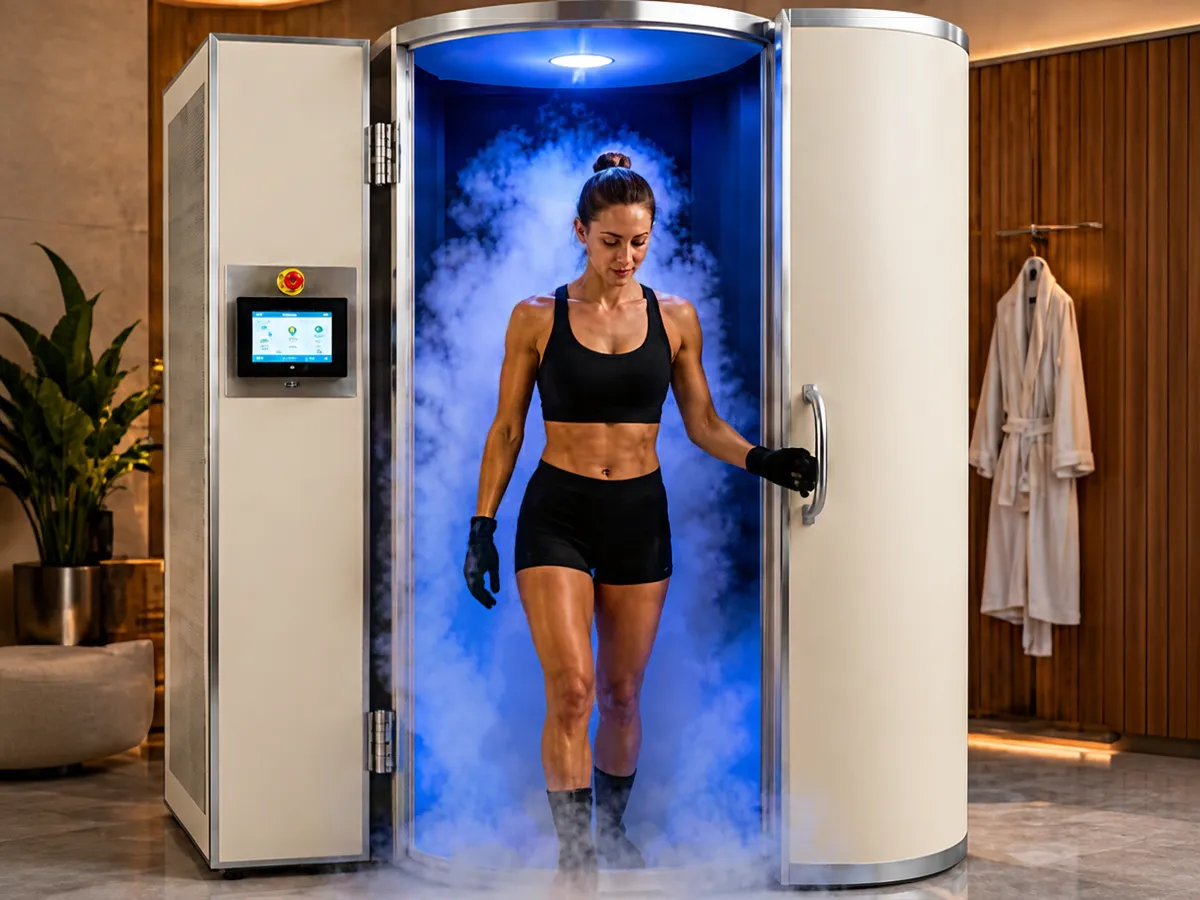
Arctic Zero Mini Cryotherapy Chamber
Compact, fully automated cryosauna with a 1 m² footprint and 7-inch touch screen.
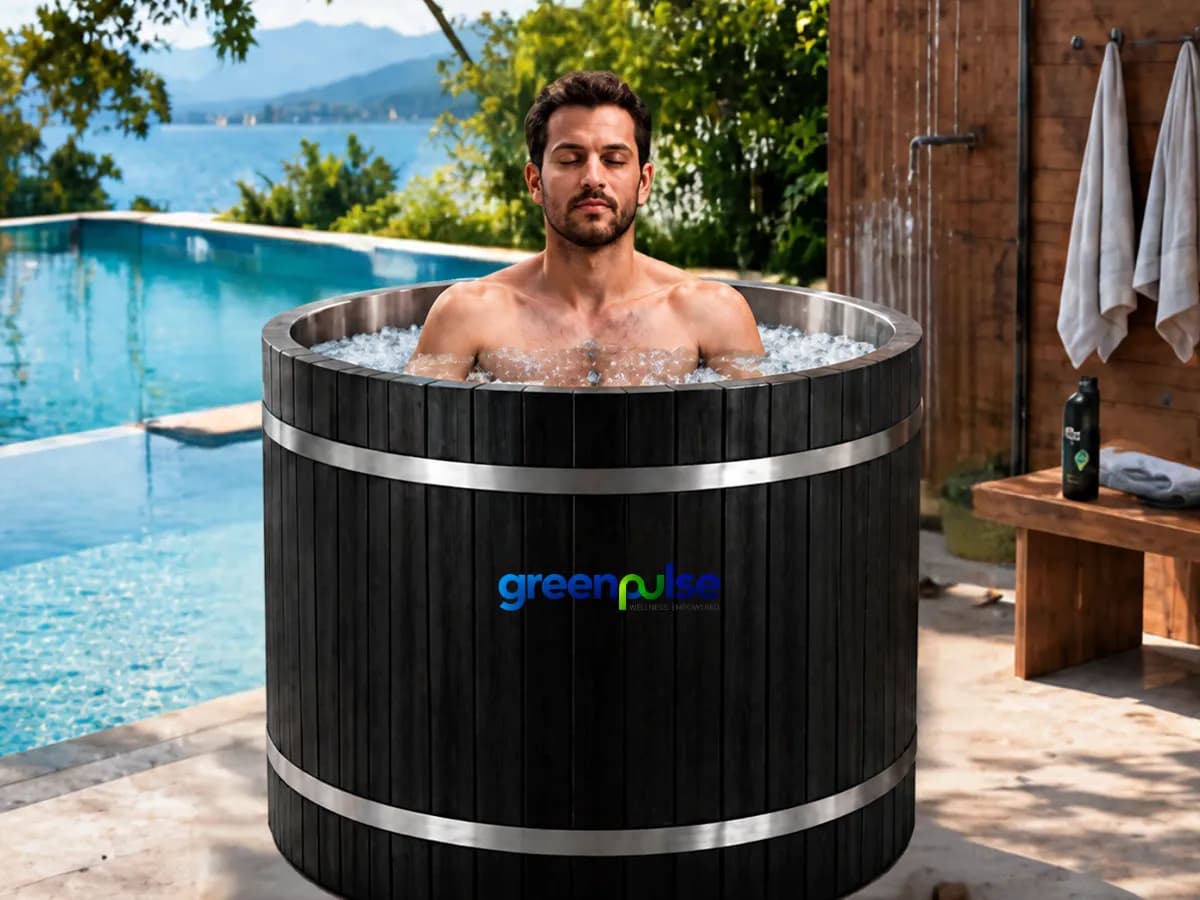
Arctic Ring Cold Plunge (Round, Single Person)
Compact round cold plunge with built-in chiller.
Planning a recovery suite or commercial wellness facility?
GreenPulse provides space layout planning, product selection, electrical planning, installation and team training for your space.
Related Perspectives
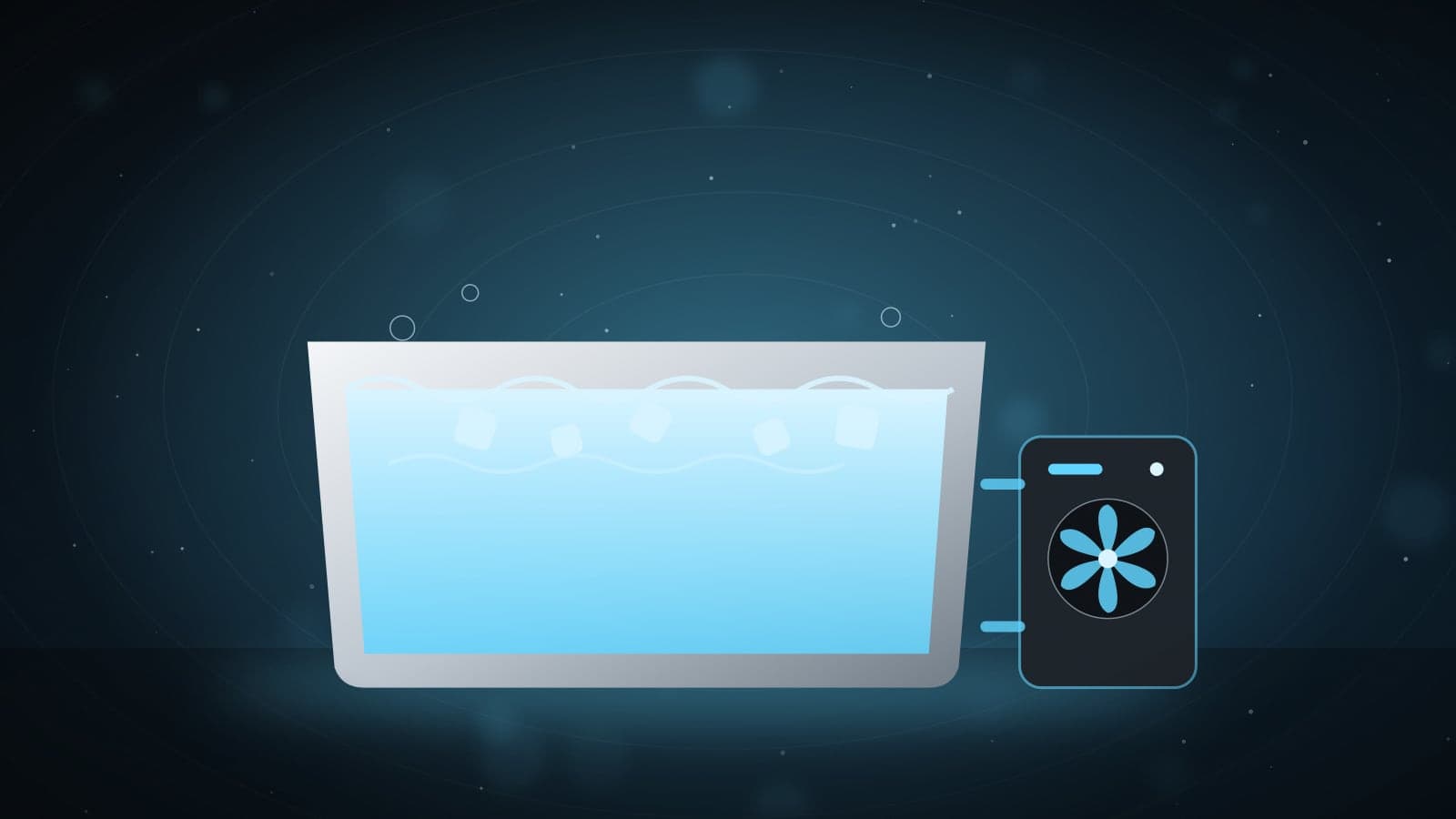
Cold Plunge Buying Guide: Tubs, Chillers and What to Look For
Round or rectangular? Portable or permanent? Built-in chiller or separate? Here is a clear, no-hype guide to choosing a cold plunge for your home, gym or spa.
Contrast Therapy: How to Pair an Infrared Sauna with a Cold Plunge
Heat, then cold, then rest. Here is how to build a simple contrast routine at home or in a studio, with timings, order and the common mistakes to avoid.

How to Start a Recovery Lounge: Equipment, Layout and Pricing
A practical blueprint for opening a recovery lounge or adding one to your gym, spa or clinic: choosing equipment, planning the floor, pricing sessions and keeping it busy.