Recovery Suites for Hotels and Resorts: Designing a Spa Menu That Sells
Guests want more than a gym and a pool. How hotels and resorts can add a recovery suite with the right equipment, privacy and storytelling.
- Guests choose hotels for experiences. A private recovery suite is a memorable, shareable one.
- Think in rituals (arrive, warm, cool, rest) rather than lists of machines.
- Prioritise quiet, privacy and fast turnaround between bookings.
- Choose equipment that is robust, easy to clean and simple for staff to run.
Illustration of a luxury hotel building with lit windows and a five-star rating
Why hotels are adding recovery suites
Travellers want to sleep better, ease jet lag and feel good after a day of meetings or sightseeing. A recovery suite speaks to exactly that, and it is a natural upgrade for business and leisure guests alike.
It also creates revenue beyond the room. Guests book a ritual, add a package to their stay and tell friends about it. For a broader business view, see how to start a recovery lounge.
Design rituals, not equipment lists
Instead of 'sauna, plunge, boots', design a story: a welcome ritual of warmth and light, a serenity suite for couples, a grand sanctuary for a full-day experience. Our combos include the Revive Spa Welcome Ritual, Serenity Suite and Grand Sanctuary, which follow this logic. See them in our combos.
Typical building blocks include a two-person infrared cabin, a premium massage chair, eight-chamber compression boots and a red light bed for a signature moment.
The operational details guests never see
Turnaround time matters. Plan towel handling, cleaning between guests and a clear booking system. Keep noise low, because a chair or pump that hums in the corridor ruins the mood. The Serene Lounge runs below 55 dB, for example.
Train staff on the basics of each device and on screening guests politely. Keep clear signage about health considerations, since heat, cold and compression are not right for every guest.
Offer the first ritual to returning guests as a thank-you. It costs little and turns the suite into a reason to come back.
Staff, scripts and service
Hotels know hospitality. Apply it here: a warm welcome, a clear explanation of each service, a quiet handover and a thoughtful goodbye. Give staff a short script for describing each service in plain words, and for explaining health screening without sounding clinical.
Train a core team of two or three people on every device so the suite never closes because one person is off. Keep a one-page 'if something goes wrong' card at the front desk, and make sure night staff know how to reach support.
Accessibility and inclusivity
A recovery suite should welcome everyone. Plan step-free access, wide doors, grab rails where appropriate and seating at a sensible height. Offer options for guests who prefer not to use heat or cold. Quiet, seated services such as a massage chair or gentle compression suit many guests.
Make sure staff are comfortable helping guests who use mobility equipment, and think about the route from rooms to the suite. Our guide to choosing mobility equipment gives you a sense of what guests may be using.
Seasonal and local touches
Adapt the menu to your climate and guests. A warm-weather resort may lead with cold and contrast. A hill station or winter destination might lead with infrared and massage. Our contrast therapy guide shows how to build a signature heat and cold ritual, and our massage chair guide covers the quiet, seated side.
Think about sound, scent and light, because they make the difference between a gym room and a sanctuary. Cabins with chromotherapy lighting and Bluetooth sound, like the Halo 3, help set the tone.
Offer in-room recovery too: a pair of compression boots like the PulseWave Go delivered to a guest's room is a lovely, low-cost touch.
From pilot to signature experience
Start with a pilot: one suite, a short menu and a handful of staff. Measure bookings, feedback and which services guests choose. Then expand. Our combos and Recover & Restore solutions show how venues scale up, and how to start a recovery lounge covers the business planning.
Packaging and pricing
Bundle sessions into stay packages (a 'recovery night' with late checkout, for instance), sell add-ons at check-in and offer day passes to local residents to keep the space busy mid-week. For membership thinking that also applies to resorts, read gym recovery zone pricing.
Ready to plan? Explore the Recover & Restore solutions and our guide to buying and support, then talk to our team about the right fit.
Frequently asked questions
What equipment does a hotel recovery suite need?
A common starting point is an infrared sauna, compression boots and a massage chair, with a cold plunge, a red light bed or a contrast corner added for a premium experience.
How do hotels price wellness suite sessions?
Hotels usually sell timed private sessions and bundle them into stay packages or day passes. Work out your costs and realistic bookings, then price to your market.
How much space does a hotel recovery suite need?
It can be as small as a single treatment room for a sauna cabin and a chair, or a larger suite with several zones. Plan around guest flow, privacy and utilities.
Can a small boutique hotel offer recovery services?
Yes. A compact infrared cabin, a pair of compression boots and a massage chair make a simple, appealing recovery nook for a boutique property.
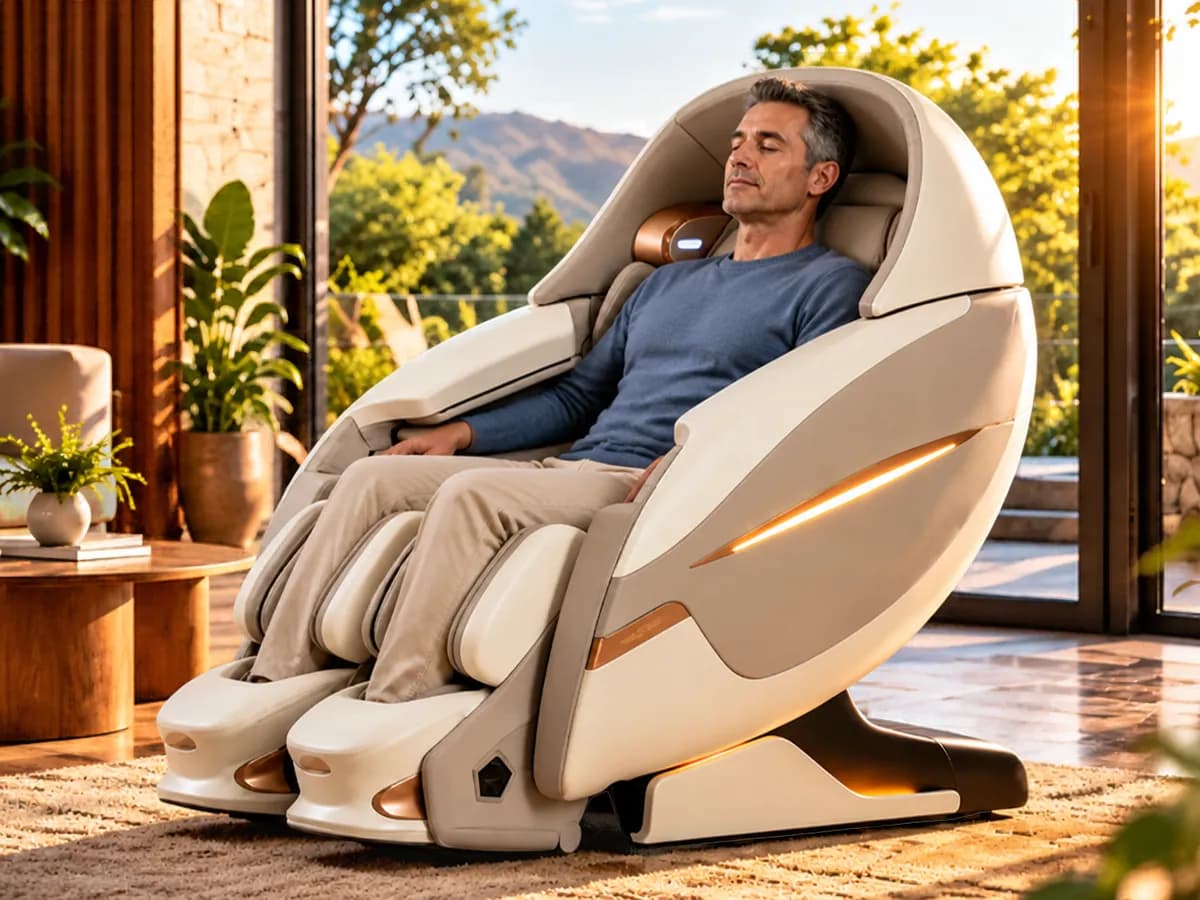
Serene Elite Premium Full Body Massage Chair
Premium 4D massage chair for a quiet lounge.
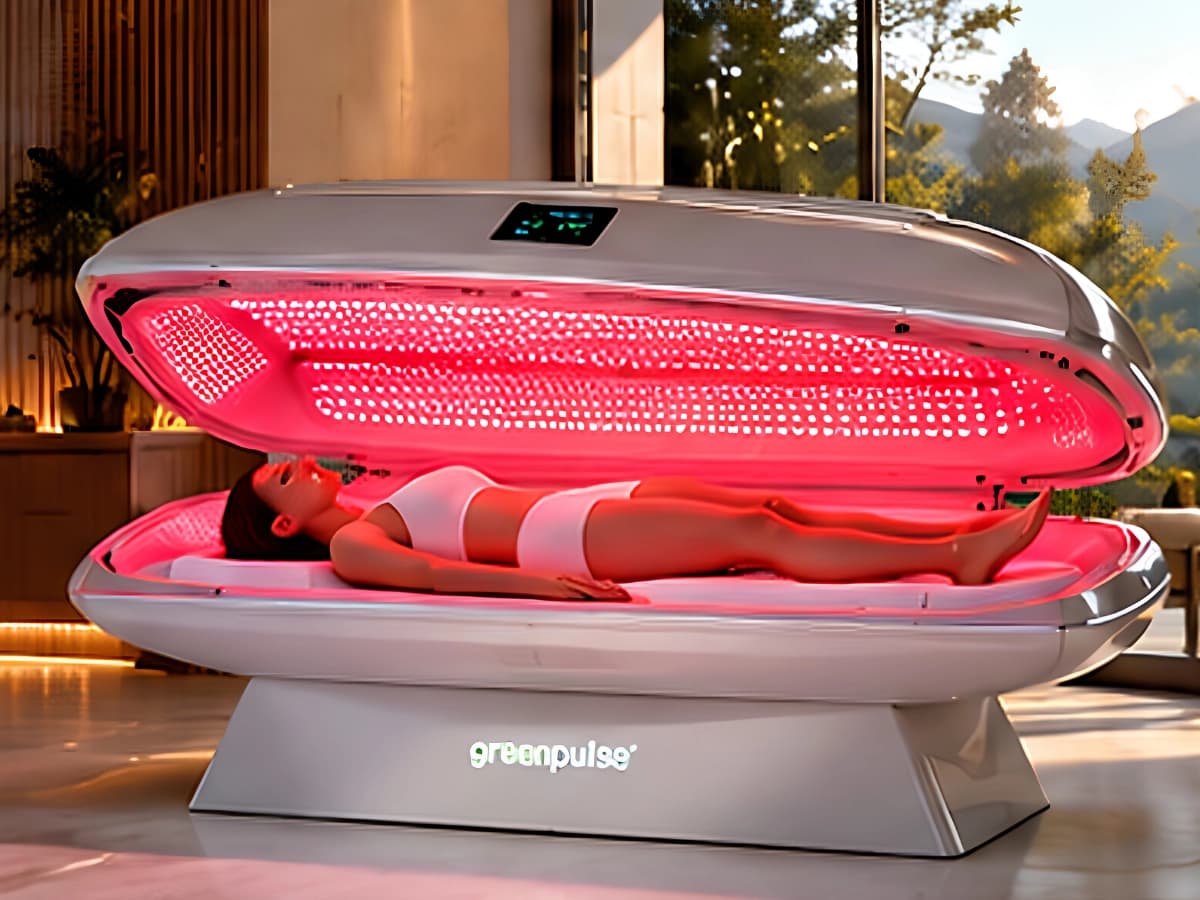
Luma Cocoon Full Body LED Light Therapy Bed
Full-body red light bed for a signature ritual.
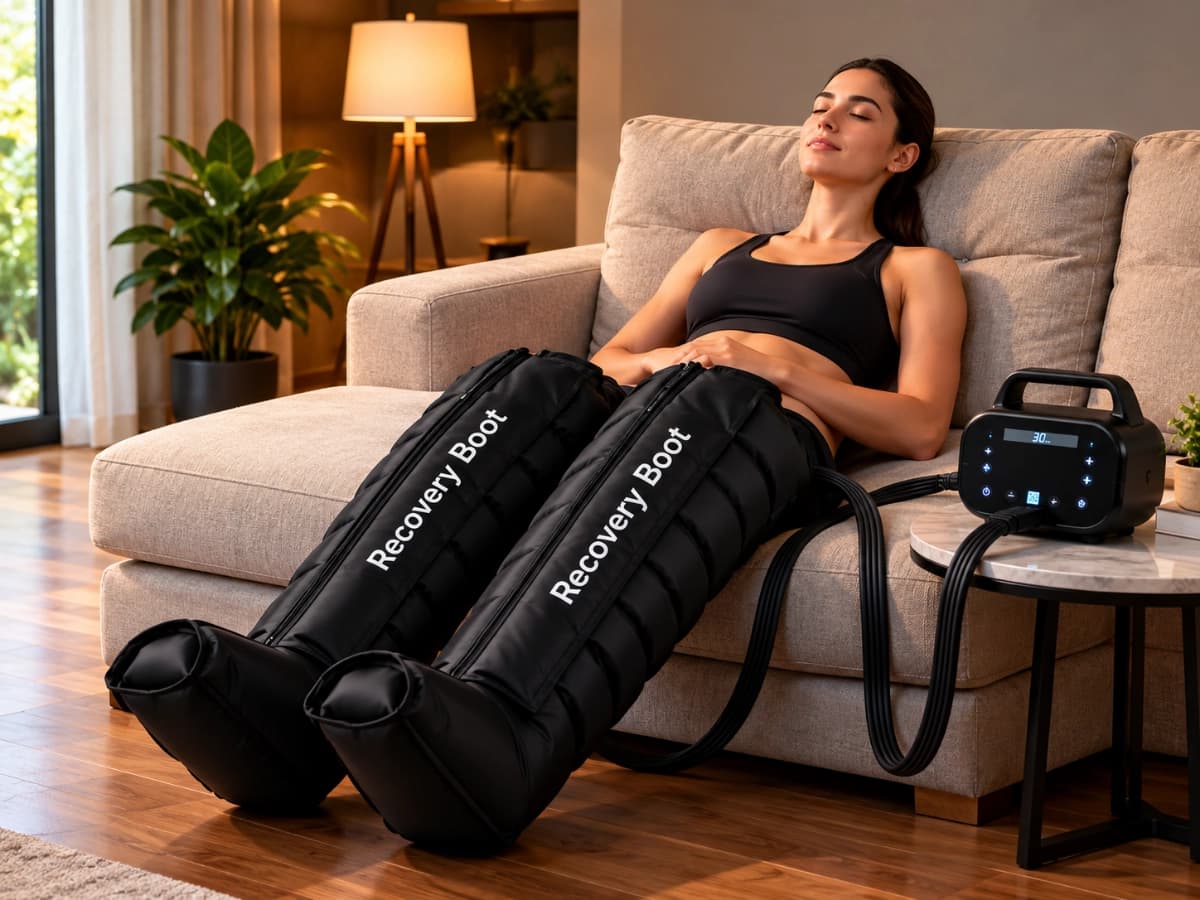
PulseWave Max 8-Chamber Rechargeable Air Compression Recovery Boots
Eight-chamber rechargeable boots with timer and programmes.
Planning a recovery suite or commercial wellness facility?
GreenPulse provides space layout planning, product selection, electrical planning, installation and team training for your space.
Related Perspectives

How to Start a Recovery Lounge: Equipment, Layout and Pricing
A practical blueprint for opening a recovery lounge or adding one to your gym, spa or clinic: choosing equipment, planning the floor, pricing sessions and keeping it busy.

Gym Recovery Zone: Membership Pricing That Pays for the Equipment
Add-on, tier, pay-per-session or included? How gyms and studios can price a recovery zone so members love it and the numbers work.
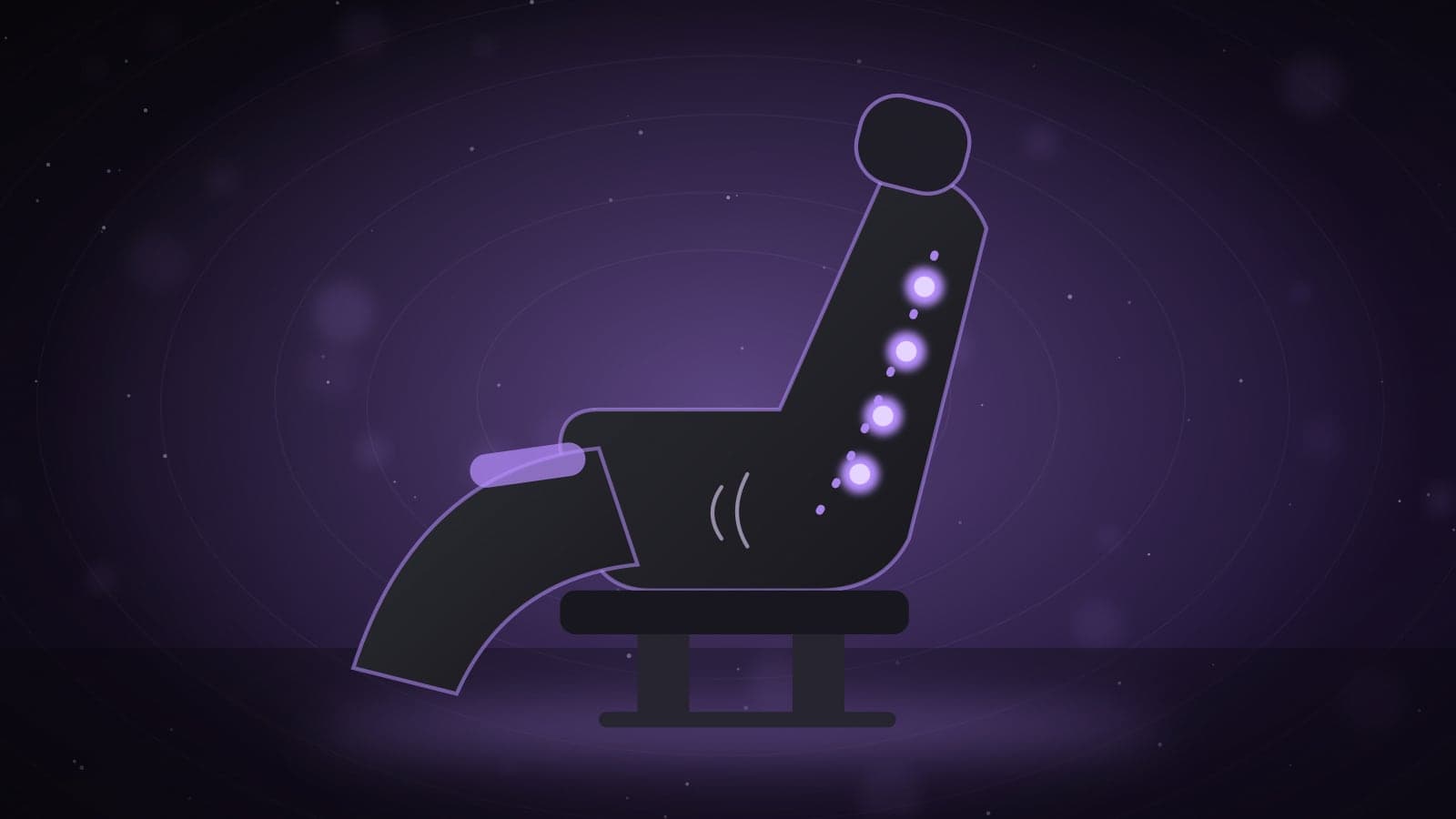
Massage Chair Buying Guide: SL Track, 3D, 4D and Zero Gravity
SL track, 3D, 4D, zero gravity. What do these terms mean, and which massage chair actually suits your body, your room and your budget?