Red Light Therapy: A Plain-English Guide for Homes, Studios and Clinics
What red light therapy is, how the main formats compare (masks, panels, stands, beds, handhelds) and how to choose the right one without wading through marketing claims.
- Red light therapy uses low-level red and near-infrared light, usually around 630–660 nm and 810–850 nm.
- It comes in several formats. The right one depends on how much of the body you want to cover and how often you will use it.
- Be sceptical of big promises. Look for transparent specs: wavelengths, LED count, power and session guidance.
- Everything here is wellness use, not medical treatment.
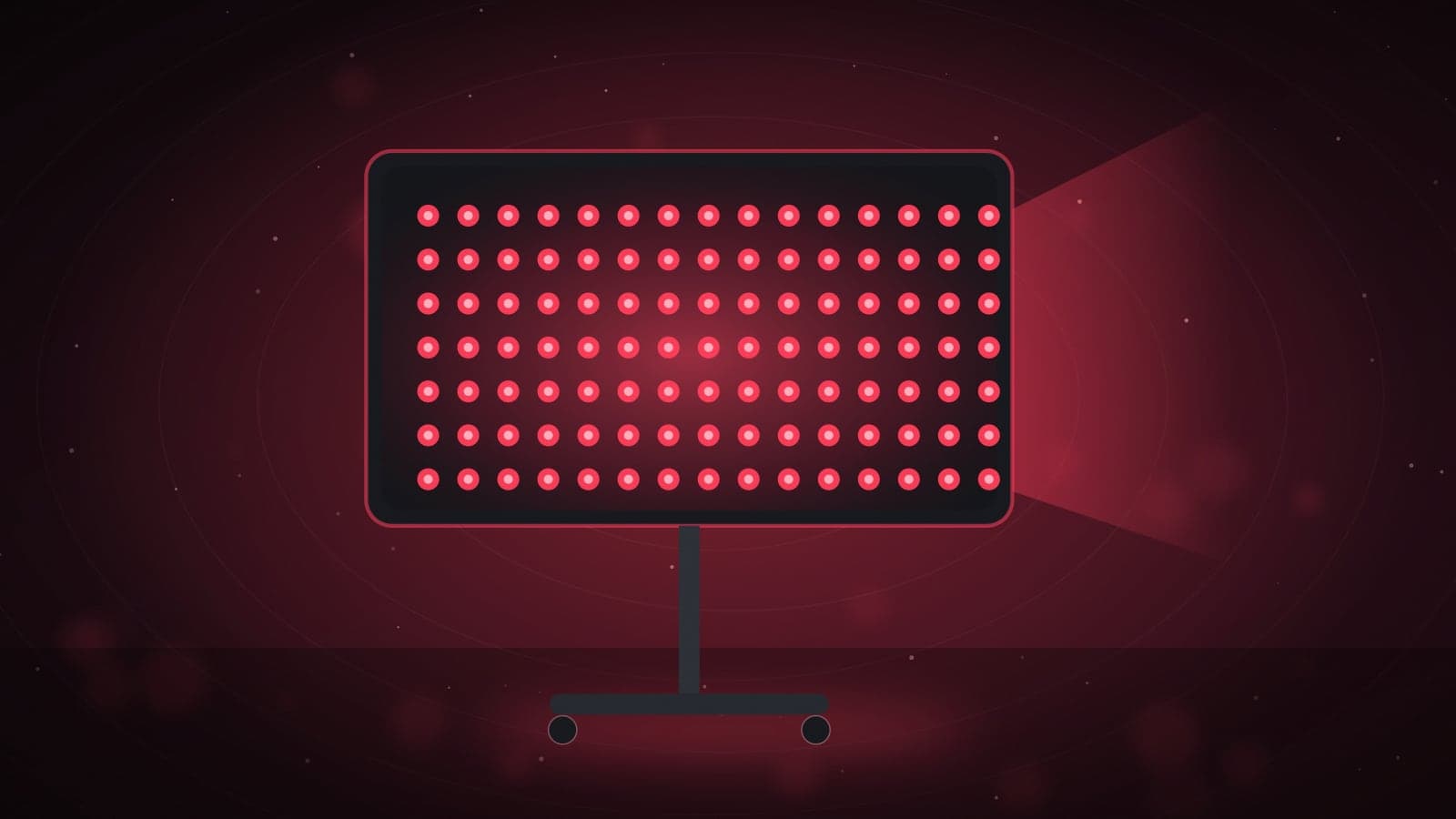
Illustration of a red light therapy panel on a stand projecting a beam of red light
What red light therapy is (and isn't)
Red light therapy, often called photobiomodulation, uses low-level red and near-infrared light delivered by LEDs or low-power lasers. There is no heat to speak of and no UV. You simply sit or stand in front of a device for a few minutes.
People use it as part of wellness routines for skin, recovery and general relaxation. We are not a clinic, so we keep our language to wellness. If you have a medical condition, speak to your doctor, and never treat a device as a replacement for medical care.
The main formats at a glance
We compare the large formats head-to-head in red light bed vs panel vs stand.
How to read a spec sheet
Look for wavelengths first. Most quality devices include red (around 660 nm) and near-infrared (around 850 nm). Our guide to red vs near-infrared wavelengths explains why.
Then check LED count, total power, the size of the treatment area and the session timer. More LEDs does not automatically mean better, but a larger, well-built panel covers more of you in less time.
Finally, look for cooling and build quality, especially for commercial use, plus clear instructions about safe distances and eye protection.
Light dose depends on power, distance and time. Two devices with the same LED count can deliver different doses. Follow the supplied distance and session guidance rather than guessing.
Who uses it, and where
At home, people tend to choose a mask or a mid-size panel. In studios and spas, full-body beds and stands create a premium, repeatable session. In clinics, handhelds and panels sit alongside other tools. Many venues combine red light with a sauna or compression, as shown in our combos.
Red light pairs particularly well with heat. Our sauna blanket guide looks at one product that offers both, the Aurora Wrap. For businesses, see the Recover & Restore solutions and our full light therapy range.
Eyes, skin and sensible safety
Red and near-infrared LEDs are gentle compared with the sun, but bright light is still bright. Close your eyes or wear the supplied goggles during face sessions, avoid staring into any LED array, and never look into a laser. Keep to the session time and distance in the manual.
If you use medication that makes skin sensitive to light, have a skin condition, are pregnant or have a medical implant, ask your doctor first. Stop if you feel any discomfort, and never use a device over broken skin unless advised by a professional.
And a gentle reminder on expectations: light devices are a wellness habit, not a cure. Be wary of any seller that promises dramatic results.
If a product page lists wavelengths, LED count and power but nothing about safety guidance or distance, ask the seller for the manual before you buy.
Setting up a routine at home
Pick a regular time, a comfortable spot and a device that you will actually reach for. Face-focused? Start with a mask, such as the Luma Mask Duo. Whole-body? A stand like the Luma Stand or the portable Luma Go 500 are friendlier than a bed for most homes.
Keep sessions short and regular rather than long and rare. Many people attach them to an existing habit, like the evening wind-down or a post-workout cool-down. Our recovery stack guide shows where light fits among other tools.
Offering light therapy as a service
For studios, salons and spas, light therapy is an easy add-on: short appointments, minimal staff time and a premium feel. A bed or stand becomes a signature service, a panel supports targeted add-ons and a handful of masks can be rented or sold as take-home retail.
Pair it with heat or compression for a package: see how to start a recovery lounge for layout and pricing, and our combos for ready-made bundles. Clinics can look at equipping a physio or chiropractic clinic.
Where to go next
If skin is your focus, start with the face mask guide. If you want to cover your whole body, jump to beds, panels and stands. If you like the science, read the wavelengths explainer. And for targeted areas, there is the handheld guide.
Frequently asked questions
What is red light therapy?
Red light therapy, or photobiomodulation, uses low-level red and near-infrared light from LEDs or low-power lasers. It is used as part of wellness routines and gives no meaningful heat or UV exposure.
Which wavelengths should a red light device have?
Most quality devices combine red (around 660 nm) and near-infrared (around 810–850 nm). See our wavelengths explainer for what each band does.
How often should I use red light therapy?
Follow the supplied guidance for session length and distance. Many people use a device a few times a week; consistency matters more than long sessions.
Is red light therapy safe?
Used as directed, LED devices are generally gentle, but you should protect your eyes, follow the manual and ask a doctor first if you have a medical condition, are pregnant or use photosensitising medication.
Is a red light bed worth it for a business?
It can be a strong signature service for a spa or studio, thanks to its premium feel and short appointments. Consider footprint, power and how many sessions you can realistically fill. Our red light bed vs panel vs stand guide helps you decide.
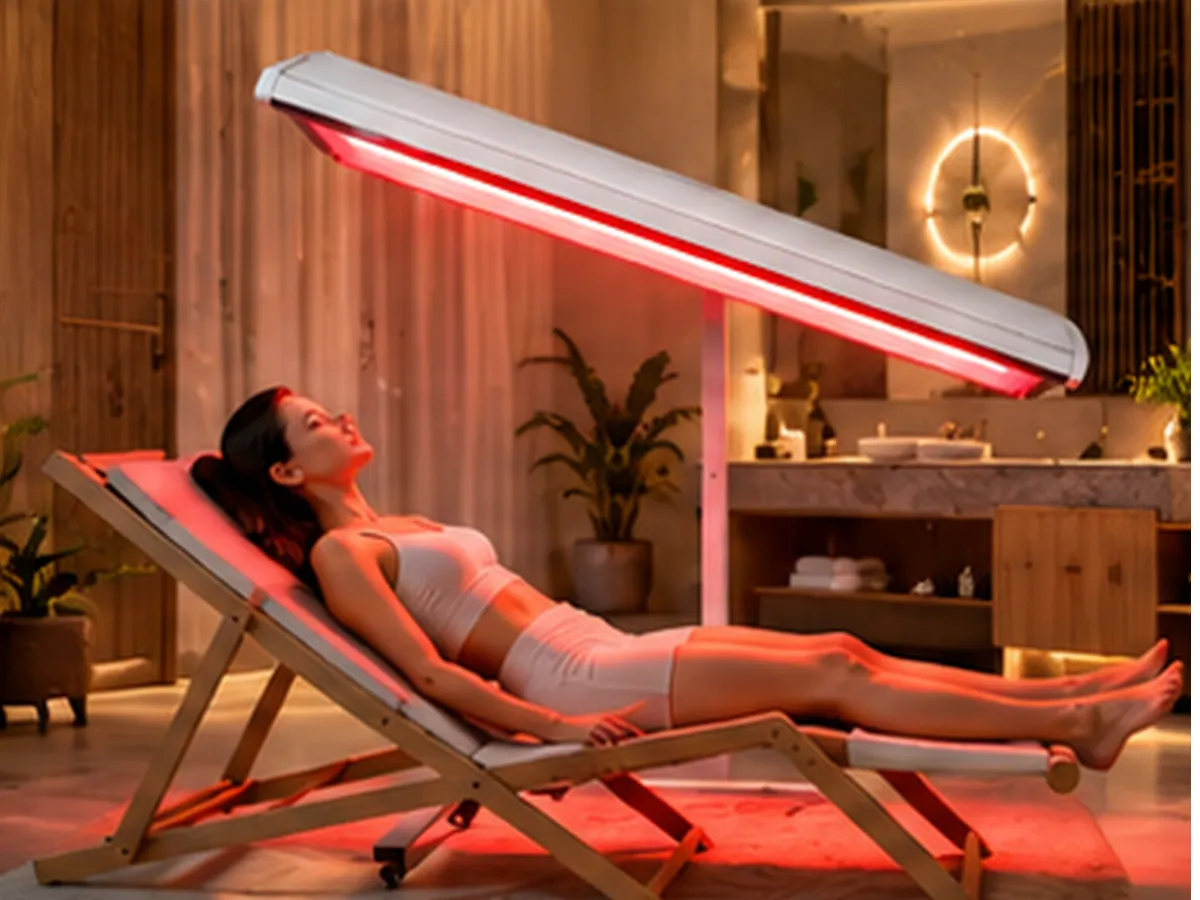
Luma Stand Full Body LED Light Therapy Stand
Full-body stand with four wavelengths and 12,312 LEDs.
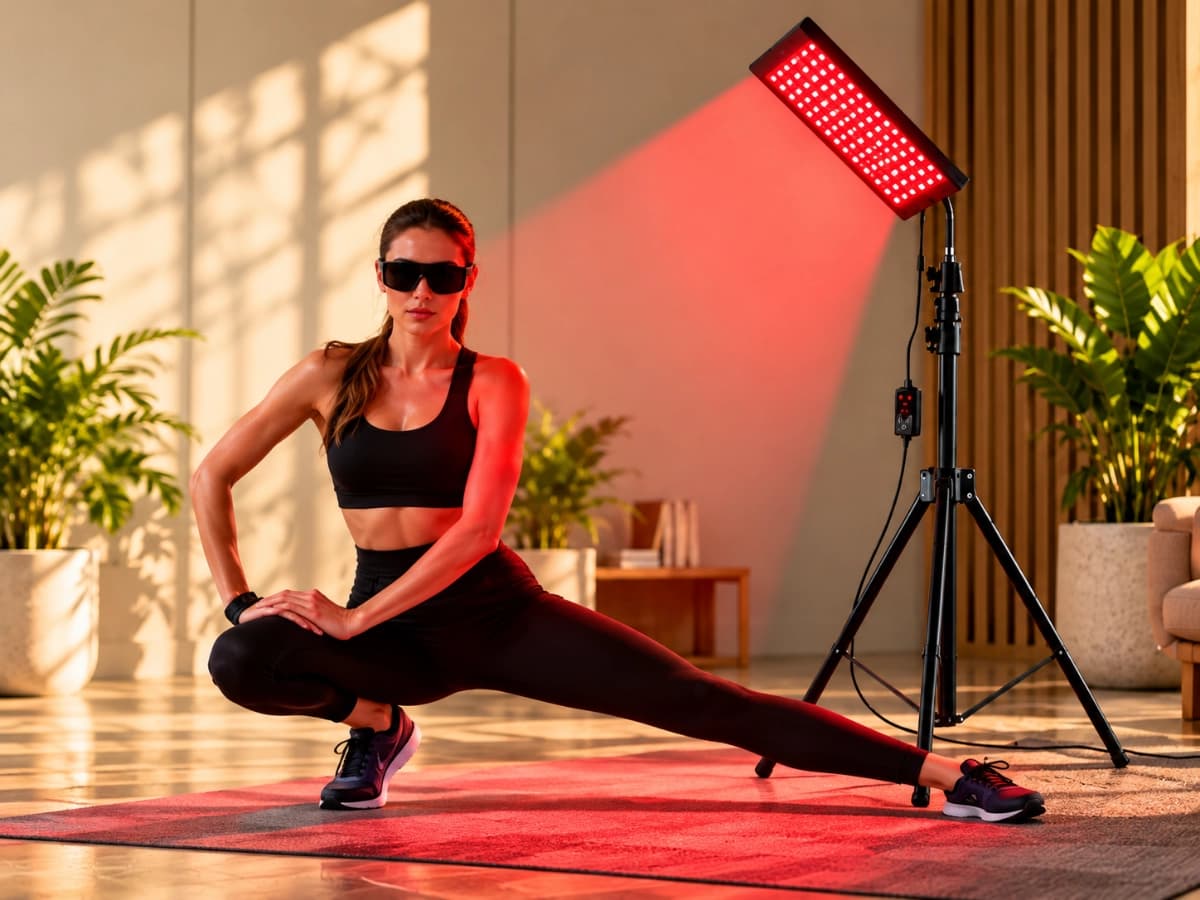
Luma Panel Height-Adjustable Red Light Therapy Panel
Height-adjustable panel with separate red and infrared control.
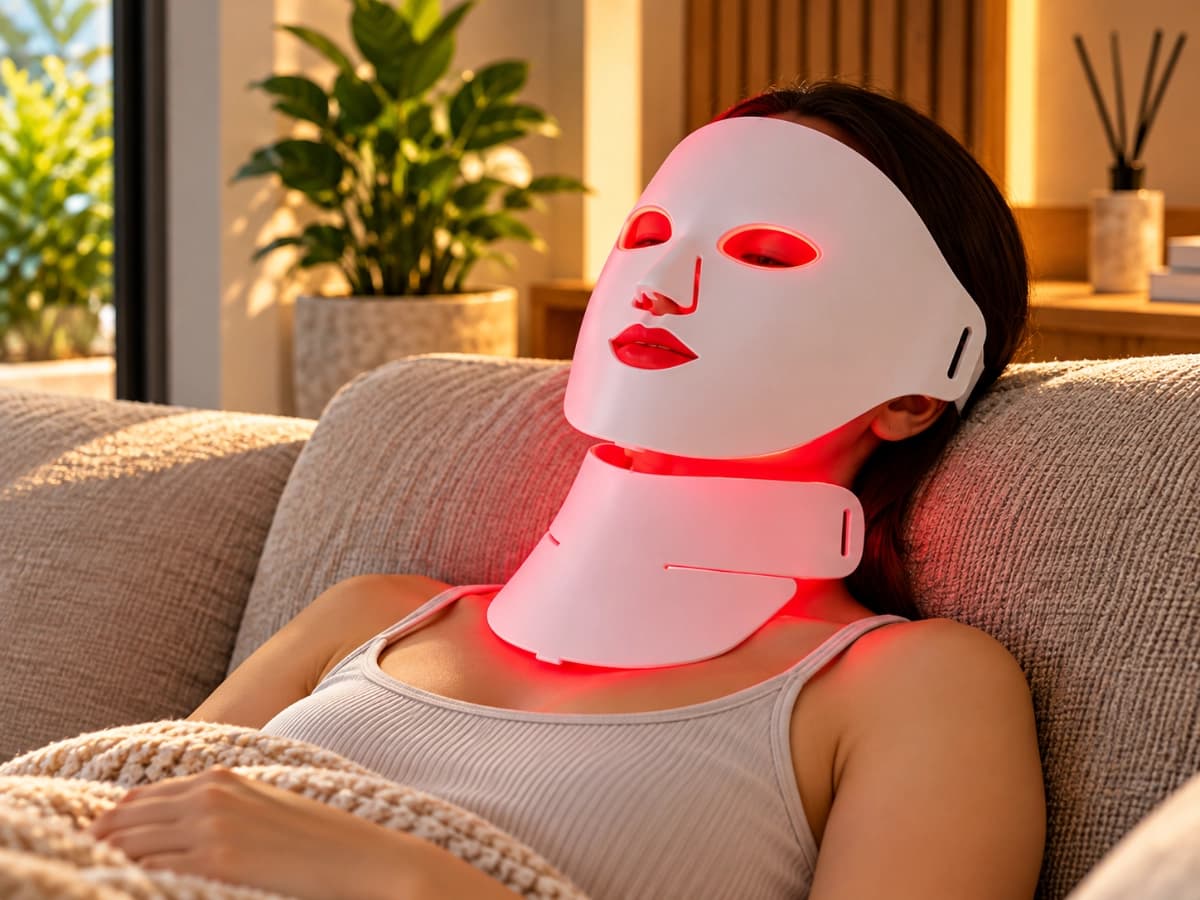
Luma Mask Duo 7-Color LED Light Therapy Face & Neck Mask
Wearable face and neck mask with seven colour modes.
Planning a recovery suite or commercial wellness facility?
GreenPulse provides space layout planning, product selection, electrical planning, installation and team training for your space.
Related Perspectives
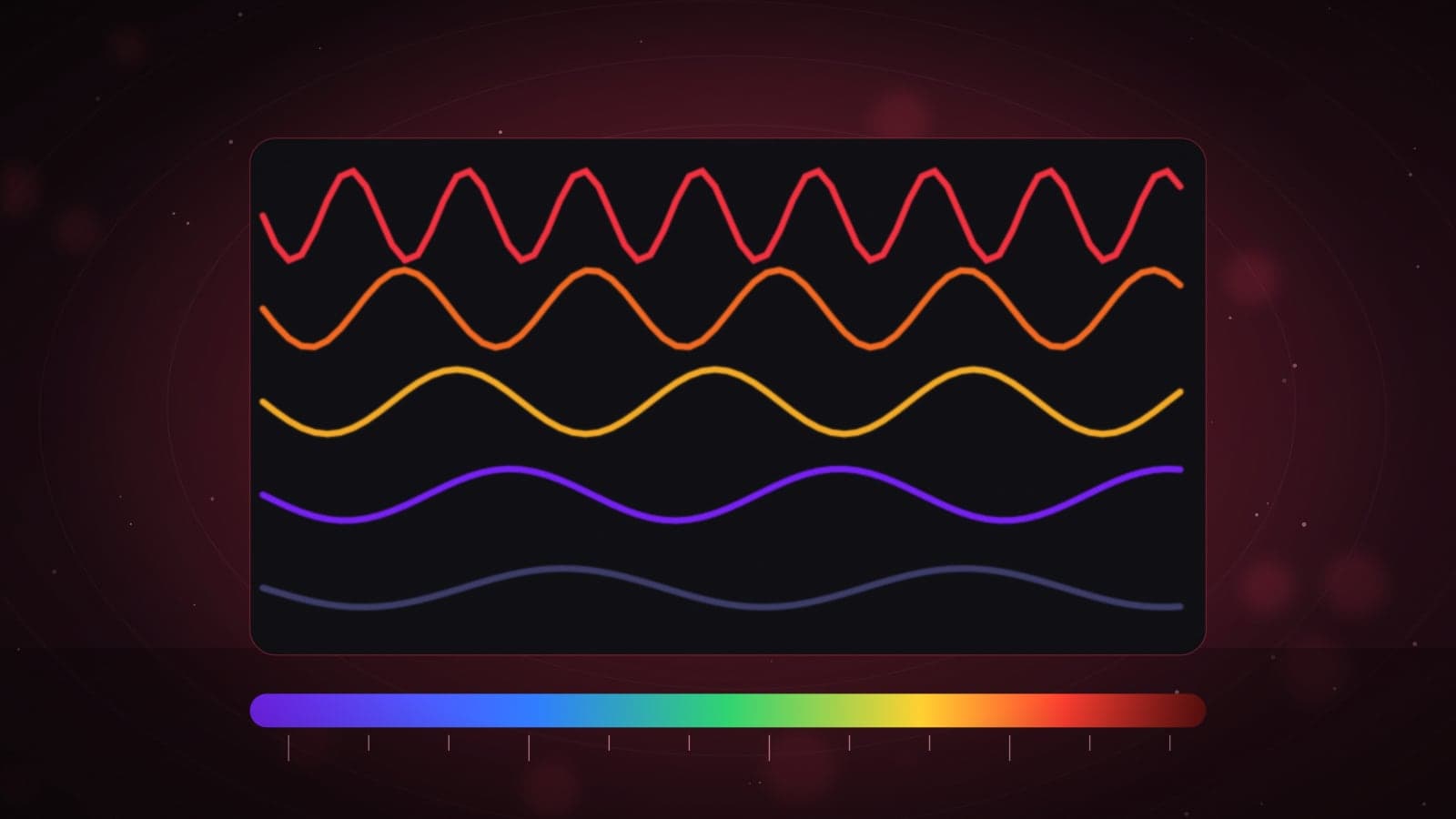
Red vs Near-Infrared Light: What the Wavelengths Do
660 nm, 810 nm, 850 nm. Why do red light devices list numbers like these, and what does each wavelength mean for how a session feels? A beginner-friendly explainer.
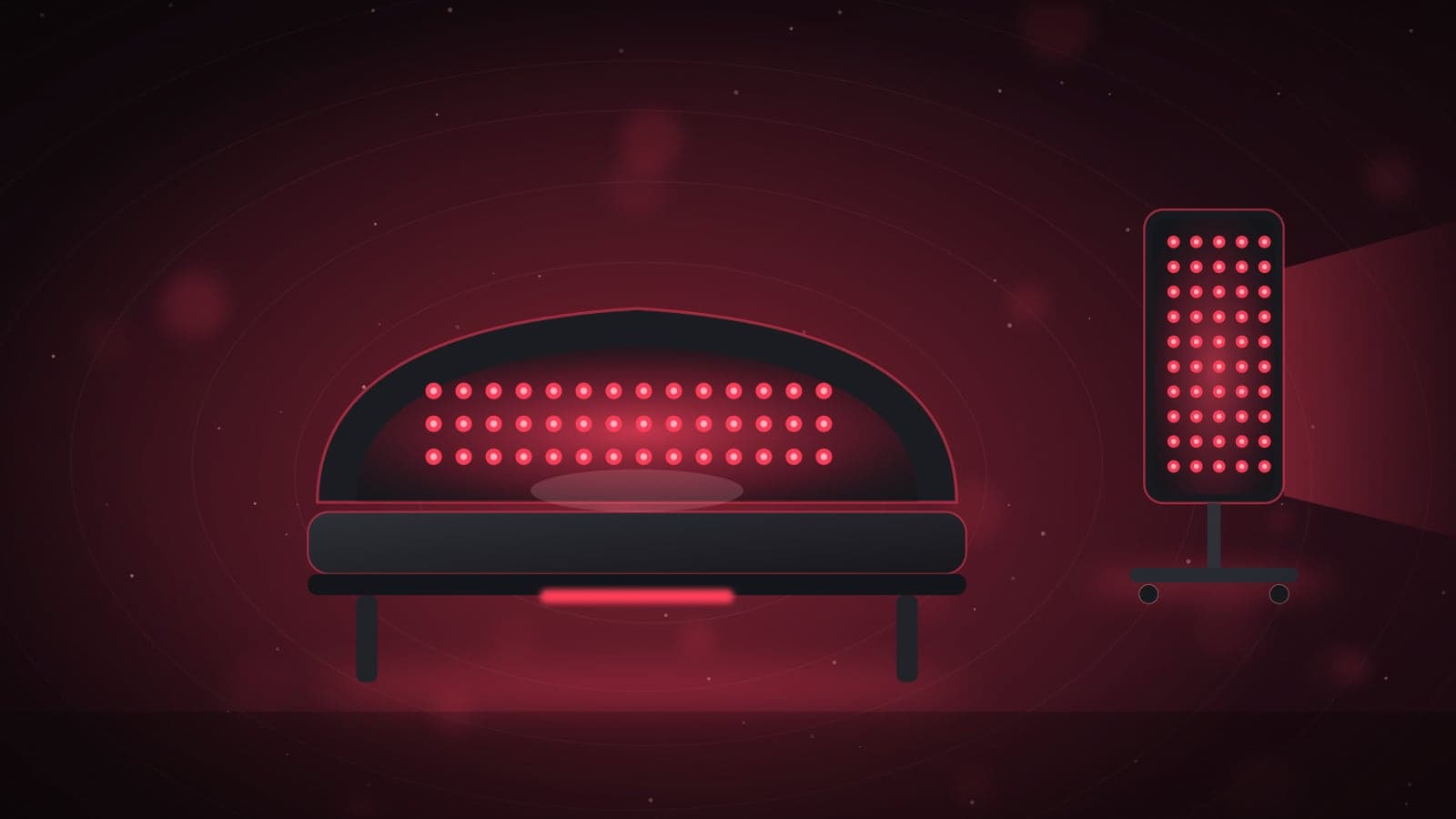
Red Light Bed vs Panel vs Stand: Choosing the Right Format
Full-body beds, tall stands and wall or floor panels all deliver red and near-infrared light, but they suit very different spaces and budgets. Here is how to decide.
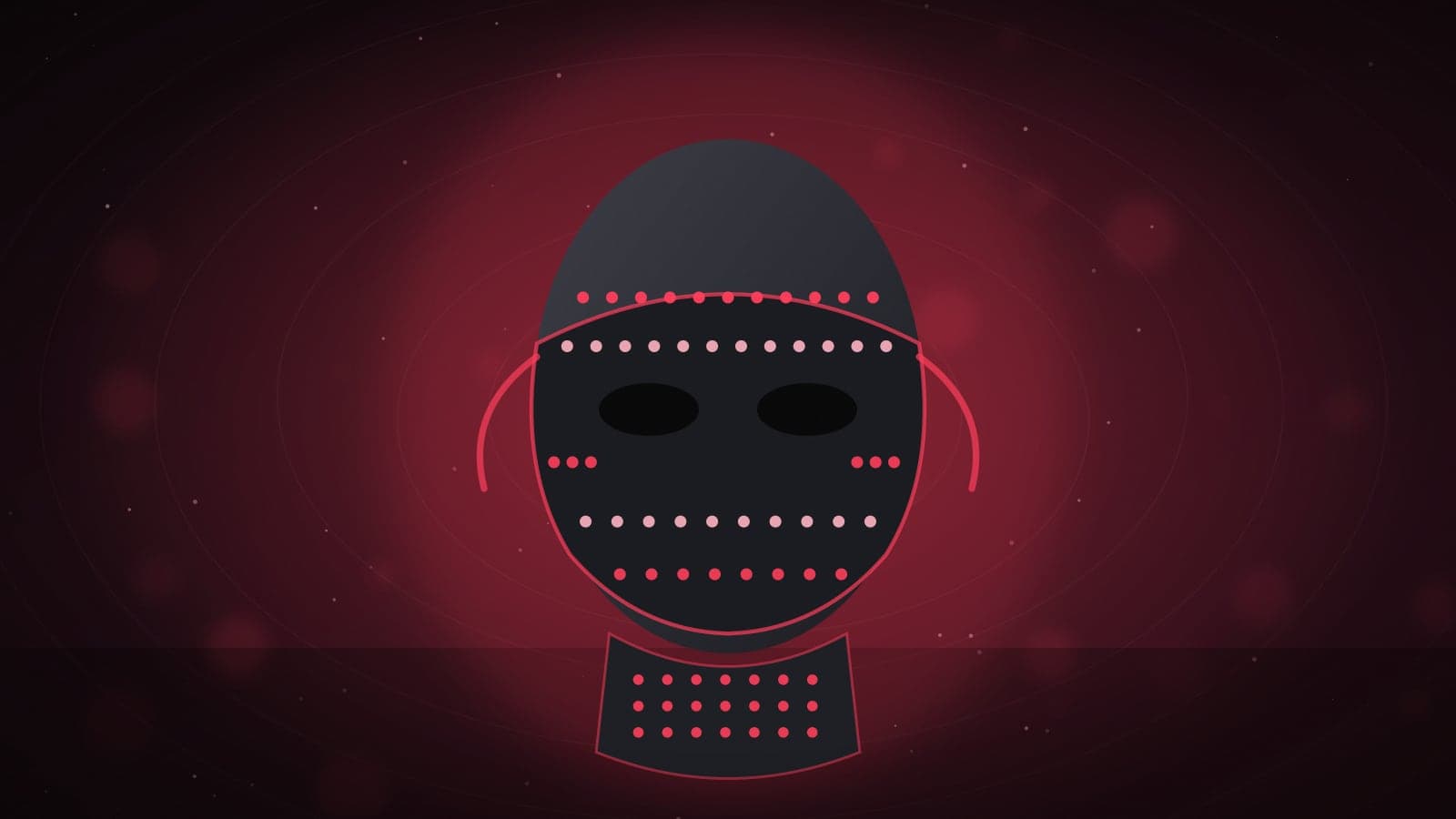
LED Face Masks: How to Choose One (and Use It Properly)
Silicone or hard shell? Face only or face and neck? How many modes do you really need? A grounded guide to choosing an LED face mask and building a routine around it.