LED Face Masks: How to Choose One (and Use It Properly)
Silicone or hard shell? Face only or face and neck? How many modes do you really need? A grounded guide to choosing an LED face mask and building a routine around it.
- Silicone masks are flexible and comfortable; hard-shell masks are sturdy and easy to wipe clean.
- More colour modes are only useful if you will use them. Start with the basics: red and near-infrared.
- Eye comfort matters, so check the eye protection and follow the session timer.
- A mask is a wellness gadget, not a medical device, so keep expectations realistic.
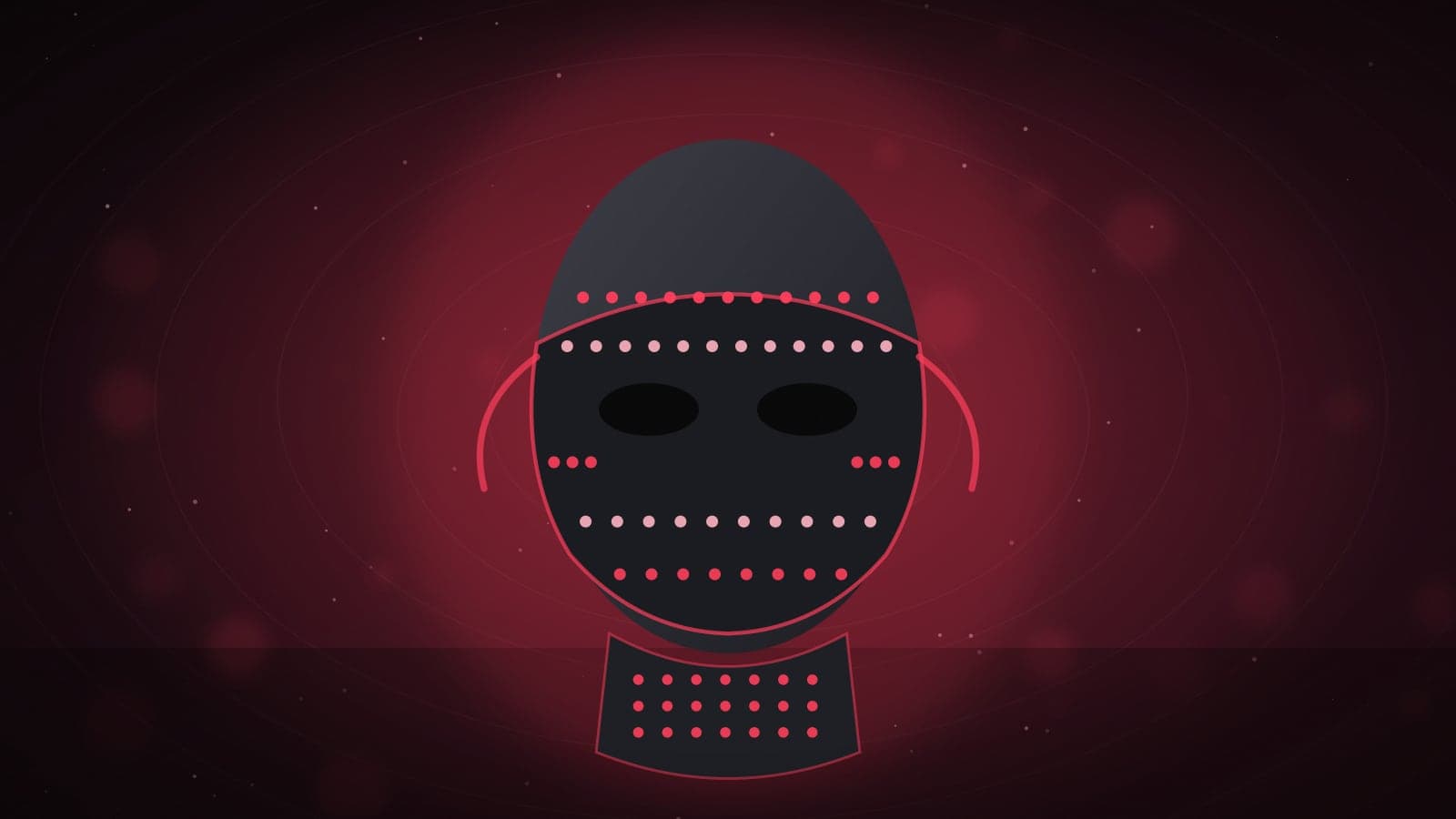
Illustration of an LED light therapy face mask glowing red on a face and neck
Why masks have taken off
A mask is the easiest way into light therapy. You put it on, press a button and sit with your eyes closed for ten or fifteen minutes. There is nothing to set up and no stand to store.
That convenience is why masks are the first LED device many people buy. If you want the bigger picture first, read our red light therapy guide.
Silicone or hard shell?
Silicone masks flex to the contours of your face and feel comfortable against the skin. The Luma Mask Duo is a silicone mask with a matching neck piece: 105 LEDs for the face and 114 for the neck, across seven colour modes.
Hard-shell masks hold their shape and wipe clean easily, with a more structured fit. The Luma Shell has 50 high-output LEDs and seven modes in an ABS shell. The Luma Shell 2 steps up to 78 LEDs and seven modes, with wavelengths from 390 to 630 nm plus white light and a rechargeable 800 mAh battery.
If you share a mask with a partner, a hard shell is easier to clean between users. If you want maximum comfort, go silicone.
Do you need seven colours?
Probably not on day one. Red is the one most people start with, and near-infrared adds a different type of warmth. Other colours are a bonus to explore. What matters more is a clear timer, a comfortable fit and a mask that stays cool.
For the science of what different wavelengths do, our wavelengths explainer will help you read the spec sheet with confidence.
Using it well
Cleanse your skin first, remove make-up and heavy products, and follow the supplied session length. Consistency matters more than marathon sessions. Pick a few fixed days a week and attach it to a habit, like your evening wind-down.
Keep your eyes closed, and stop if you feel any discomfort. If you have sensitive skin, a skin condition, are pregnant or use photosensitising medication, speak to a professional first. No LED mask is a cure for anything.
Mask or panel: which for the face?
A mask sits on your face and delivers light at a fixed distance, so the routine is simple and hands-free. A panel covers more area and lets you treat the neck, shoulders or body too, but you need to hold a steady distance and position.
If skin is your single goal, a mask is simpler. If you want a device for the face and body, a panel like the Luma Panel is more flexible. We compare the large formats in bed vs panel vs stand.
Fit, comfort and care
Try the strap and the weight. A mask should sit comfortably without pressing on your eyes or nose, and it should not slip. Check for a comfortable eye area and a timer that switches off automatically.
To clean, wipe the inside with a soft cloth as the manual directs and let it dry. Never use harsh chemicals on the LEDs, and store it somewhere dust-free. Charge it fully before use if it is cordless, like the Luma Shell 2.
If you use the mask with skincare, apply products as advised in the instructions. Some prefer to use a mask on clean, bare skin. For the science of the colours and wavelengths, see our wavelengths explainer.
Keep a mask in a visible spot, perhaps on your bedside table. A device you can see is a device you use.
For salons and clinics
Masks are popular add-ons for facials and aesthetic services, and as retail for clients to use at home. Hard-shell masks are easier to clean between clients, and silicone masks feel luxurious for premium treatments. See the light therapy collection and read handheld devices for targeted add-ons.
Going further
If you like how a mask feels, you might add a panel for the body. See bed vs panel vs stand for the next step, or look at handheld devices for targeted use. Businesses such as salons can build an add-on service around masks and panels. Browse the light therapy collection for options.
Frequently asked questions
How often should I use an LED face mask?
Follow the supplied session length and frequency. Many people use a mask several times a week for ten to twenty minutes. Regular, moderate use is better than long, rare sessions.
Can I wear an LED mask with skincare products?
Many people use masks on clean skin. Follow the product manual and your skincare professional's advice, especially with active ingredients that increase light sensitivity.
Is an LED face mask safe for my eyes?
Keep your eyes closed or use the supplied eye protection, follow the session timer and stop if you feel discomfort. Ask your doctor if you have eye conditions.
Silicone or hard-shell LED mask: which is better?
Silicone masks are flexible and comfortable. Hard-shell masks hold their shape and wipe clean more easily. Choose based on comfort and how you will use it.
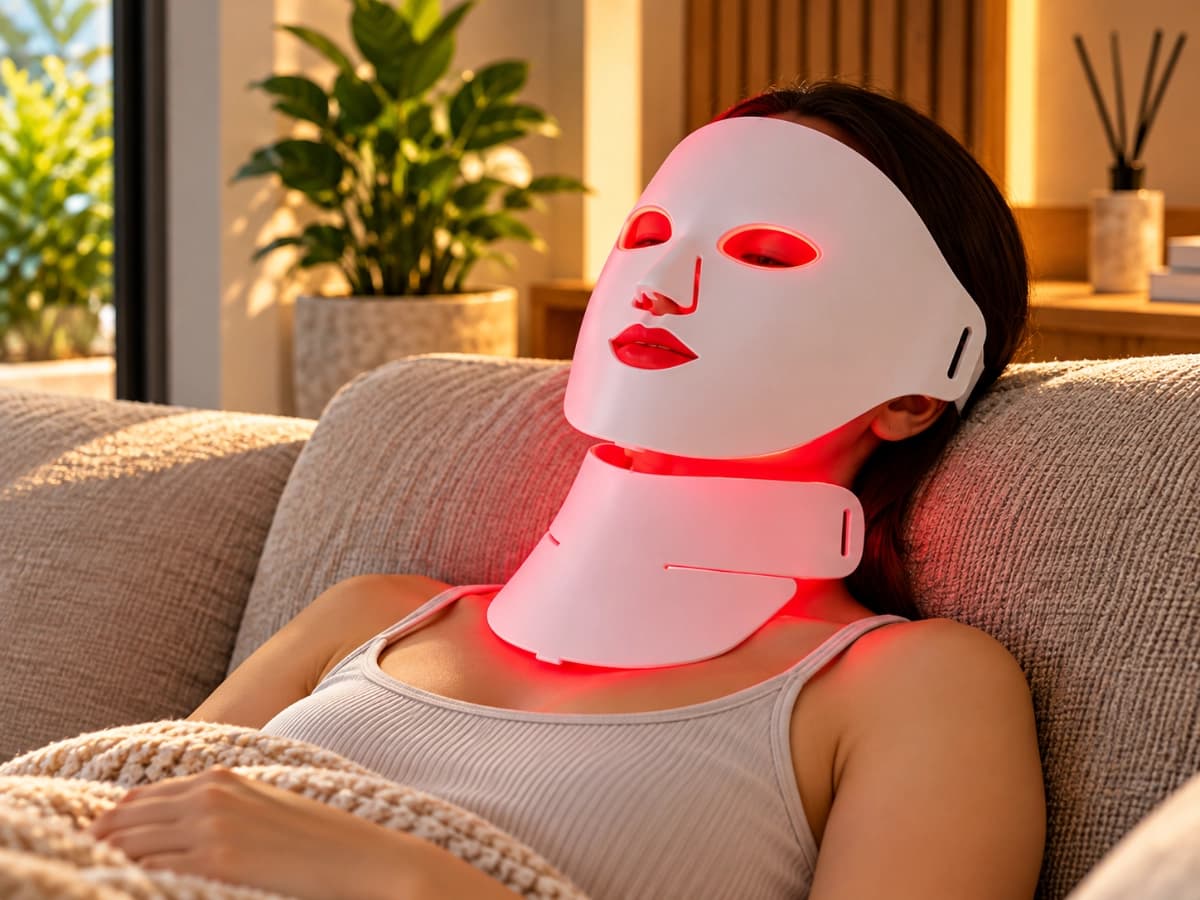
Luma Mask Duo 7-Color LED Light Therapy Face & Neck Mask
Silicone face and neck mask with 219 LEDs and seven colour modes.
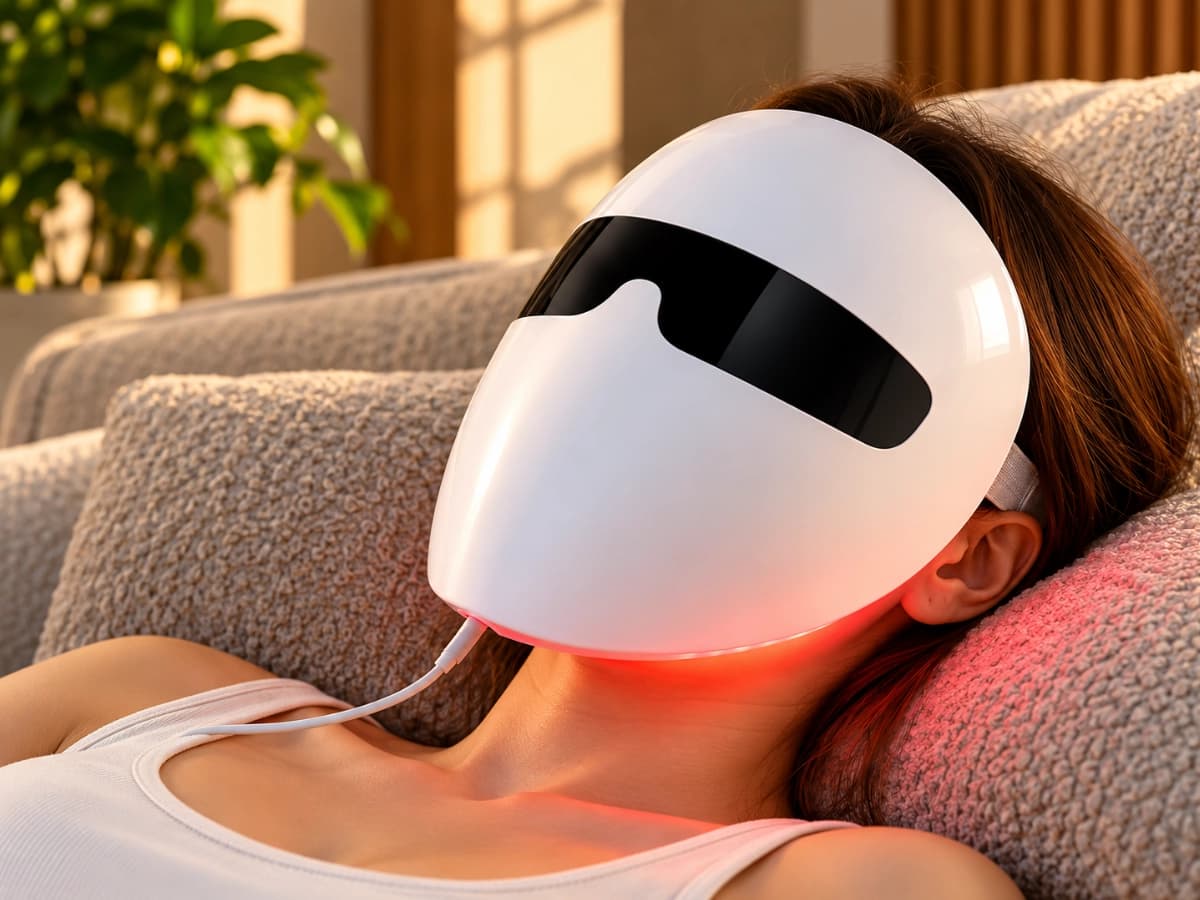
Luma Shell 2 Multi-Wavelength LED Face Mask (Hard Shell, 7 Modes)
Hard-shell mask with 78 LEDs, 390–630 nm plus white light, rechargeable.
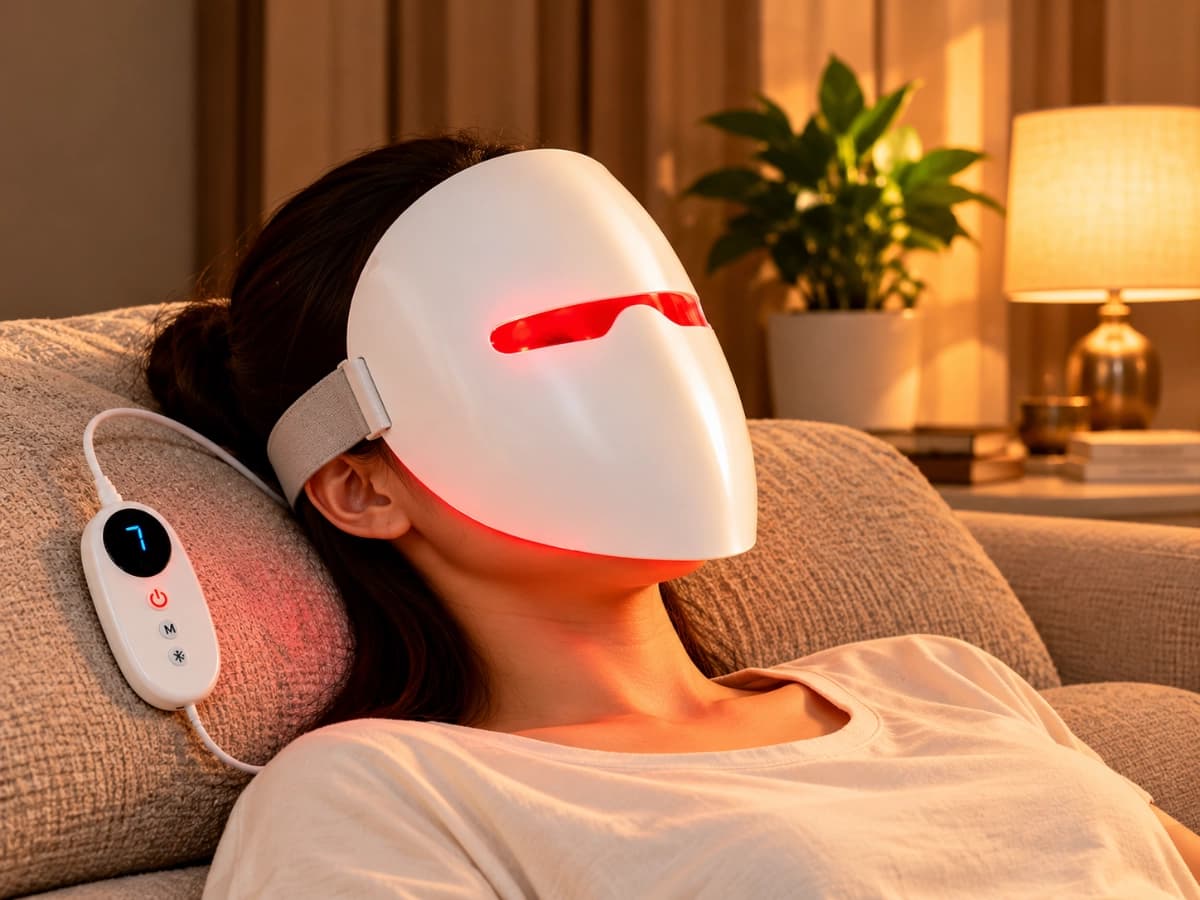
Luma Shell 7-Mode LED Light Therapy Face Mask (Hard Shell)
Hard-shell mask with 50 high-output LEDs and seven modes.
Planning a recovery suite or commercial wellness facility?
GreenPulse provides space layout planning, product selection, electrical planning, installation and team training for your space.
Related Perspectives
Red Light Therapy: A Plain-English Guide for Homes, Studios and Clinics
What red light therapy is, how the main formats compare (masks, panels, stands, beds, handhelds) and how to choose the right one without wading through marketing claims.
Red vs Near-Infrared Light: What the Wavelengths Do
660 nm, 810 nm, 850 nm. Why do red light devices list numbers like these, and what does each wavelength mean for how a session feels? A beginner-friendly explainer.
Handheld Red Light and Laser Devices: Where They Fit
Wands, 4-in-1 devices and scalp caps put light where you want it. Here is how they differ from panels and masks, and how to use them safely.